The Ultimate Guide to Creative Digital Design
Why Creative Digital Design Is the Strongest Driver of Sales You’re Not Fully Using
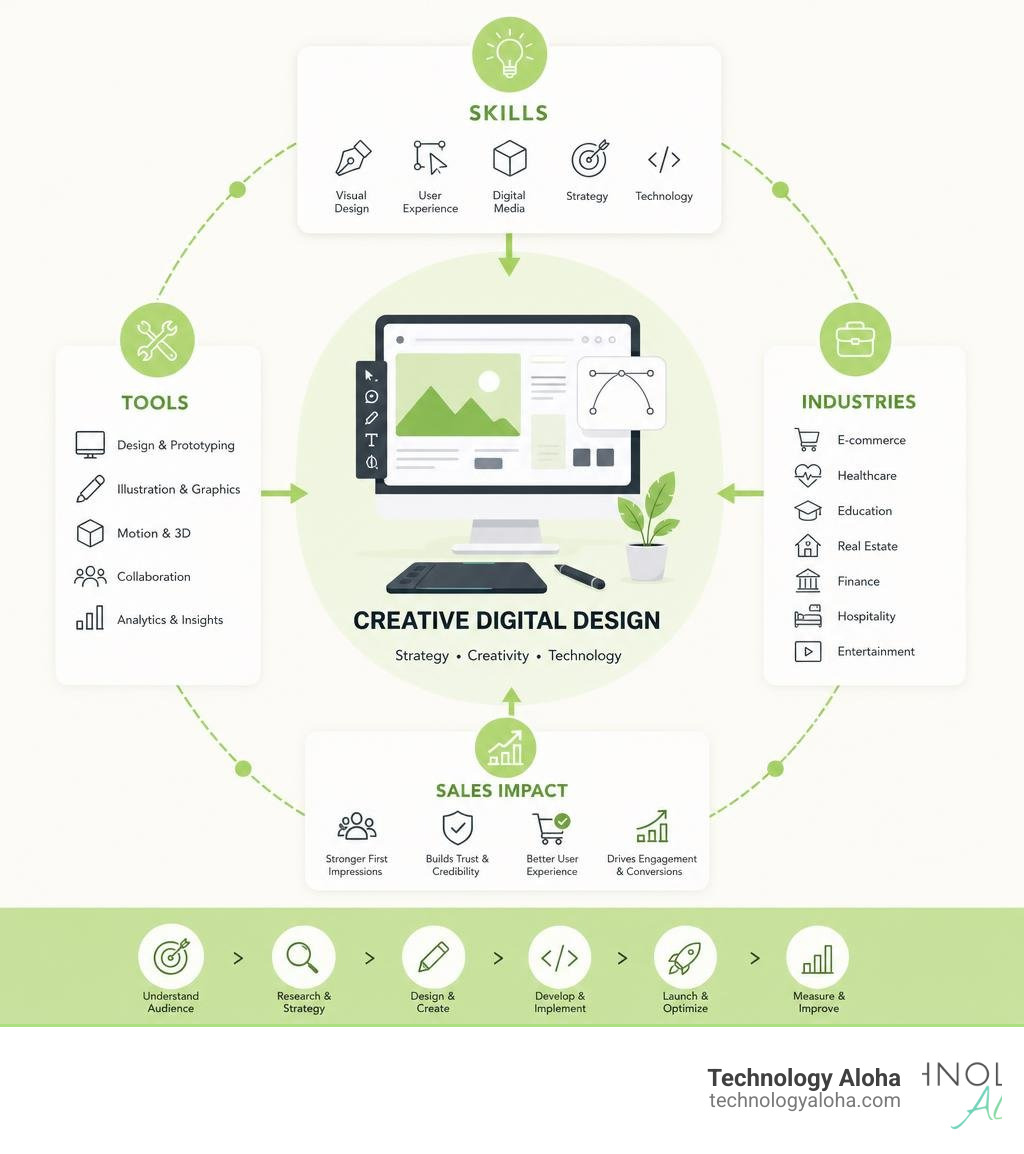
Creative digital design is the practice of producing visually compelling, user-centered digital experiences — combining strategy, aesthetics, and technology to solve real problems for real people across screens, platforms, and environments.
Here’s a quick breakdown of what it covers:
| Area | What It Includes |
|---|---|
| Visual Design | Typography, color, layout, branding |
| User Experience | Navigation, accessibility, interaction flow |
| Digital Media | Motion graphics, AR/VR, 3D modeling |
| Strategy | Data-driven decisions, brand alignment, client briefs |
| Technology | AI tools, responsive design, immersive platforms |
If you’re a small business owner, this matters directly to your bottom line. A Nielsen study found that creative marketing accounts for 49% of sales — making it the single biggest driver of revenue, ahead of targeting, reach, and recency.
That’s not a design trend. That’s a business fact.
Yet most small businesses treat design as an afterthought — a logo here, a banner there — rather than as a strategic system that shapes how customers perceive, trust, and buy from them.
Creative digital design changes that. It’s not about making things look pretty. It’s about building digital experiences that are intuitive, accessible, and aligned with what your audience actually needs.
This guide walks you through everything — from core principles and required skills to emerging technologies and career pathways — so you can make smarter decisions about design, whether you’re hiring, learning, or building.
Essential creative digital design terms:
- Why Creative Graphic Design Is the Secret Sauce for Your Business
- A-Z Guide to Transitioning from Graphic Design to UX Design
- The Complete Guide to UI/UX Graphic Design
What is Creative Digital Design?
To understand creative digital design, we must first draw a clear line between systemic visual problem-solving and simple software proficiency.
Traditional digital design often focuses on static layouts or converting physical assets into digital formats. Software-specific training teaches you how to click buttons in Adobe Photoshop or Figma. Neither of these approaches makes someone a designer.
Creative digital design is an explorative, system-first discipline. It treats the digital landscape as an interactive, living medium. Instead of asking, “How do I use this tool?” a creative digital designer asks, “What is the user trying to accomplish, and how can we design a digital environment that makes that action effortless?”
This systemic perspective requires deep user empathy. You are not designing to satisfy your personal aesthetic preferences; you are designing to solve human problems. Whether it is an interface for an autonomous drone mission control, an interactive checkout flow, or a localized mobile app, the design must bridge the gap between technical complexity and human intuition.
In Hawaii, this intersection of culture, storytelling, and modern industry is vital. Initiatives like Applied Design – Hawaii’s Creative Industries highlight how creative disciplines drive economic growth, showing that cohesive visual communication is a key economic asset for local businesses looking to compete globally in 2026.
Core Principles of Creative Digital Design
Every successful digital experience relies on a foundation of proven visual principles. If you ignore these, your users will ignore your website.
- Visual Hierarchy: This is the order in which a user processes information. By manipulating size, color, contrast, and spacing, you guide the user’s eyes to the most important elements first—such as your primary call to action.
- Grid Systems: Every professional website has an underlying grid structure. Grids bring alignment, balance, and mathematical order to a page, ensuring that elements do not feel scattered or accidental.
- Typography: Type is not just about readability; it conveys brand personality. A creative digital designer selects versatile type families and maintains strict, consistent font scales across all devices.
To see how these principles function in a cohesive system, explore The Ultimate Guide to User-Centric Website Design.
The Role of Empathy in Digital Interfaces
Empathy is the core differentiator of creative digital design. Without empathy, design is just decoration.
When users visit your site, they arrive with a specific intent—to find information, buy a product, or solve a problem. If your navigation is confusing or your layout is cluttered, you create cognitive friction. Empathy requires you to put the user first, anticipating their needs and designing intuitive navigation paths that lead them to their goals without frustration.
By focusing on user-centered design, you turn passive visitors into active customers. Learn how to implement this structured empathy by reading about Mastering the User-Centric Design Process.
Core Skills and Responsibilities of a Design Professional
A creative digital design professional is more than a visual artist; they are a cross-functional collaborator who translates business strategies into functional interactive media.
In any professional environment, a designer’s daily responsibilities include:
- Interpreting and Refining Client Briefs: Translating vague business goals into precise design requirements.
- Multidisciplinary Collaboration: Working closely with copywriters, web developers, brand managers, and product owners.
- Prototyping and Pitching: Creating interactive, high-fidelity prototypes and presenting them to stakeholders to secure buy-in.
- Agile Project Management: Using agile methodologies to iterate rapidly and deliver projects on schedule.
To ensure these collaborative projects actually convert users, designers must follow established Best Practices for User-Centric Website Design and UX.
Essential Knowledge Areas and Behaviors
To succeed in 2026, a creative digital designer must possess a mix of technical knowledge and professional behaviors:
- Regulatory and Accessibility Compliance: Designs must comply with legal standards, including the Americans with Disabilities Act (ADA), Section 508, and global data privacy frameworks like GDPR.
- User Research and Data Synthesis: Designers must conduct user testing, synthesize feedback, and use behavioral data to make informed design revisions.
- Resilience and Constructive Critique: Visual work is subject to intense feedback. Successful designers separate their personal identity from their work, using critique to improve the product.
- File Organization and Dev Handoff: A beautiful design is useless if a developer cannot build it. Designers must maintain clean, organized design files with clear labeling and consistent design tokens.
Educational Pathways and Professional Development
There are multiple ways to build a career in creative digital design. The right choice depends on your learning style, career stage, and professional goals.
In Hawaii, foundational training begins early. Programs like the Graphic Design – CTE- Arts and Communications – Maui High School introduce students to digital design concepts before they enter higher education or the workforce.
For higher education, the Creative Media – Graphic Design (AS) – Maui College program provides an Associate in Science degree that balances technical skills with creative execution, preparing graduates for immediate employment or further study.
On a global scale, structured degree apprenticeships—such as the 36-month Level 6 Creative Digital Design Professional standard—have proven highly effective. These programs combine workplace learning with university studies, allowing apprentices to earn a full degree while working directly with clients in finance, retail, technology, and media.
| Pathway | Duration | Pros | Cons | Best For |
|---|---|---|---|---|
| Academic Degree (BA/BSc) | 3–4 Years | Deep theoretical foundation, broad exposure, structured environment | Significant tuition costs, lack of direct industry experience | Career changers, traditional students |
| Degree Apprenticeship | 36–48 Months | Zero tuition debt, immediate workplace integration, highly practical | Highly competitive, intense schedule balancing work and study | Self-motivated learners wanting immediate industry entry |
| Professional Certifications | 3–6 Months | Low cost, highly targeted, flexible schedule | Lacks broad theoretical context, requires self-discipline | Existing professionals upskilling or specializing |
Career Pathways in Creative Digital Design
Graduates and certified professionals can pursue several specialized roles:
- UI/UX Designer: Focuses on the visual interface and interactive flow of digital products.
- Interaction Designer: Specializes in how digital interfaces move, respond, and transition in reaction to user inputs.
- Brand Strategist: Combines visual identity with business metrics to build cohesive brand systems across all touchpoints.
If you are looking for roles in the local market, check out the active listings on 60 Graphic Design jobs in Hawaii – LinkedIn. For businesses seeking to collaborate with established local experts or study their portfolios, you can browse THE BEST 10 GRAPHIC DESIGN IN MAUI COUNTY, HI – Yelp.
How Emerging Technologies Shape Modern Design
The digital design landscape in 2026 is rapidly changing due to advanced technologies. Designers who master these tools are highly sought after, while those who rely on static, outdated methods are falling behind.
- AI-Native Workflows: AI tools are no longer experimental. Designers use AI agents to automate repetitive tasks, generate initial layout variations, and pressure-test interfaces for edge cases. This speeds up production without sacrificing human creative judgment.
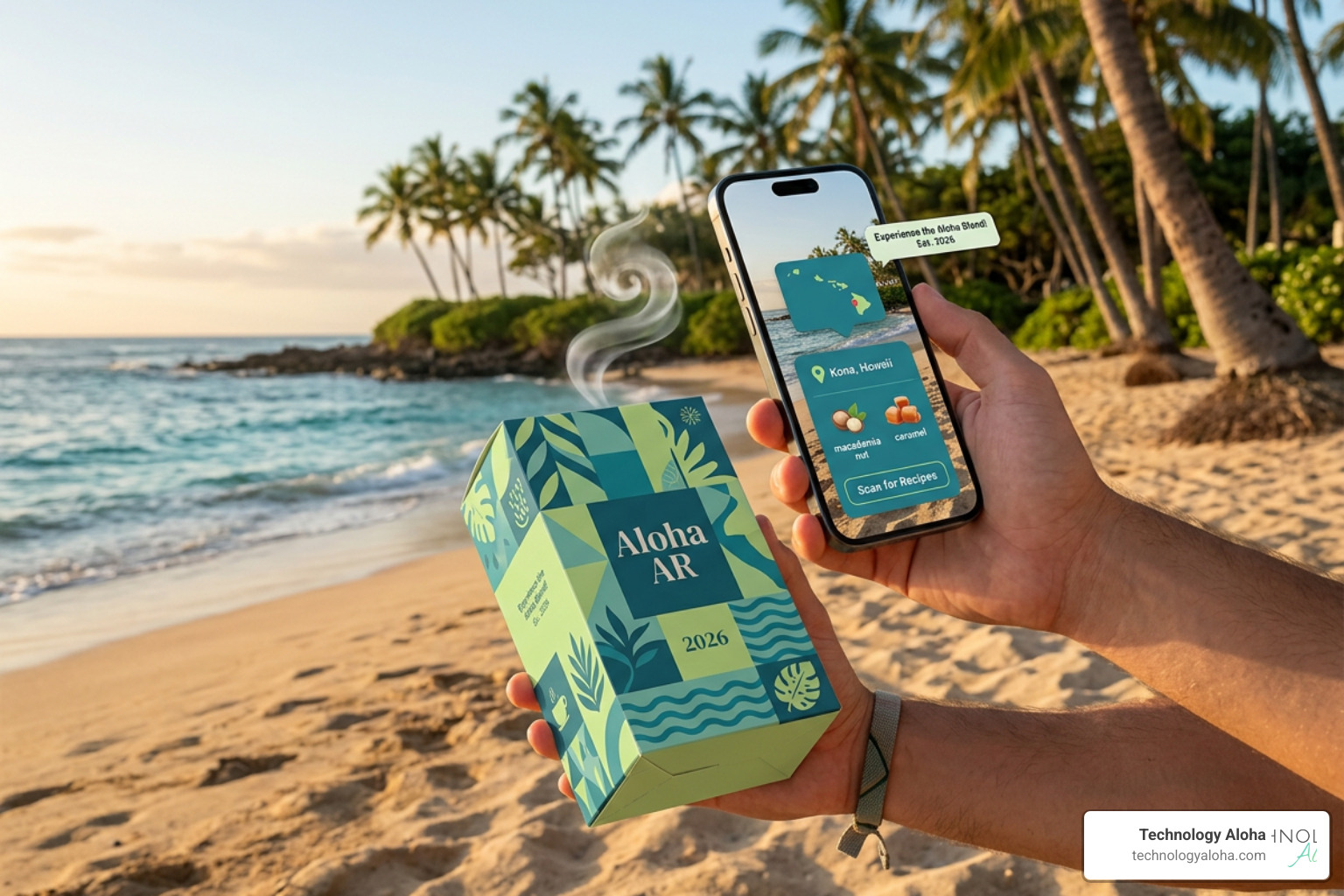
- AR/VR/XR and Immersive Media: Digital design has moved beyond the flat screen. Immersive design requires professionals to think in three dimensions, creating spatial interfaces, interactive packaging, and augmented reality retail experiences that bridge physical and digital spaces.
- 3D Modeling and Data Capture: From interactive product displays to architectural visualizations, 3D assets are now standard components of web and mobile experiences.
To keep your business ahead of these changes, stay informed on The Top Converting Web Design Trends Your Site Should Invest In.
Designing for High Conversion and Brand Alignment
Technology is only useful if it drives results. High-converting design balances technological innovation with clear brand positioning and user-centered simplicity.
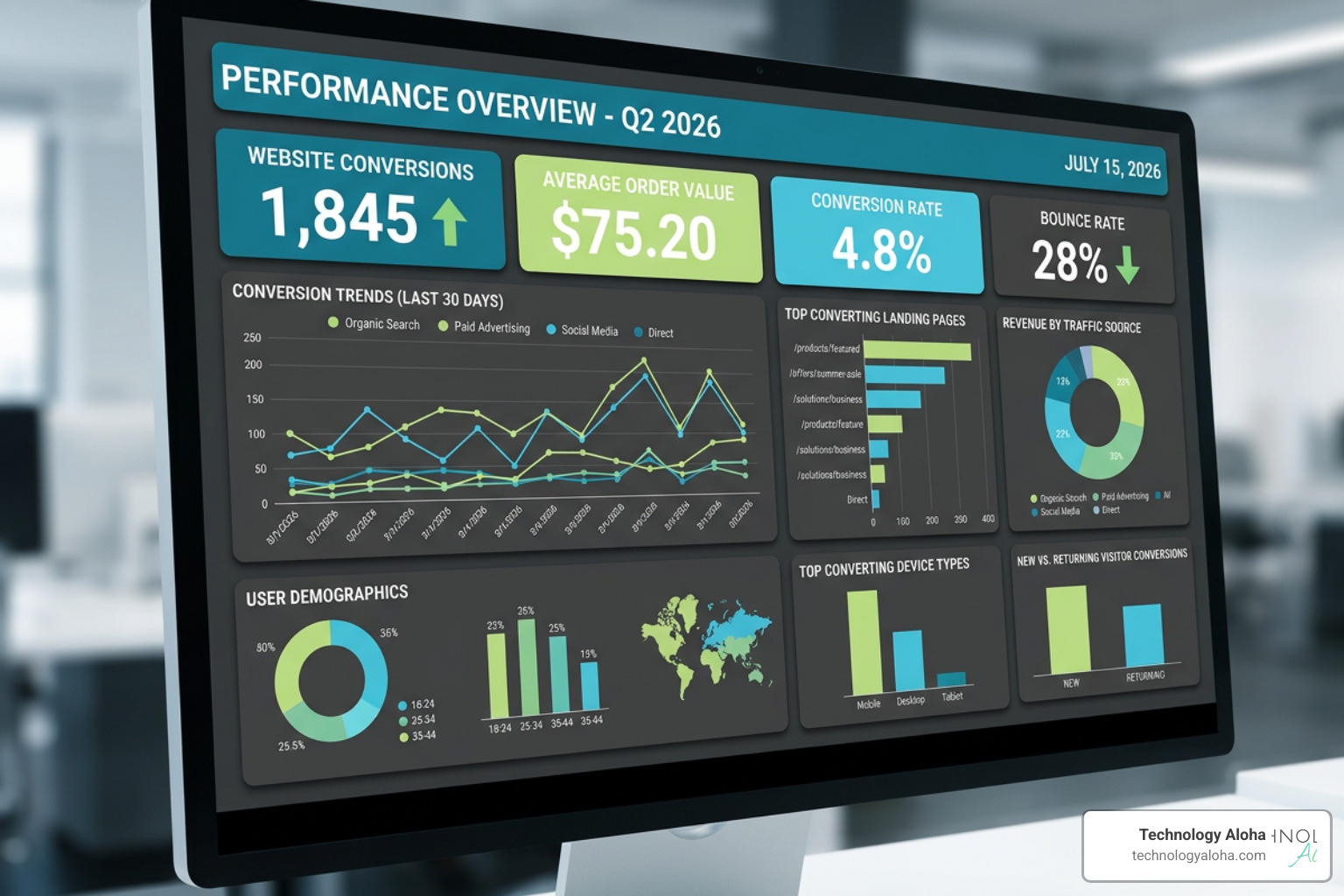
Every interactive element, AR filter, or motion graphic must support your brand’s core message and guide the user toward a clear action. By combining data-driven insights with cohesive visual design, you build trust and make the user experience as frictionless as possible.
Discover how to connect these elements in our guide on Crafting Cohesive Digital Experiences That Actually Convert.
Frequently Asked Questions about Digital Design
What is the difference between graphic design and digital design?
Graphic design is a broad discipline focused on visual communication, historically rooted in static print media like brochures, posters, and packaging. Digital design specifically focuses on interactive, screen-based interfaces—including websites, mobile apps, and digital environments—where user interaction, responsiveness, and technical performance are critical.
How long does a creative digital design apprenticeship take?
A typical professional degree apprenticeship takes approximately 36 to 48 months. This structured pathway combines on-the-job training with academic study, leading to a Level 6 professional qualification or a bachelor’s degree.
Why is accessibility crucial in digital design?
Accessibility ensures that digital products are usable by everyone, including people with visual, auditory, motor, or cognitive impairments. Designing for accessibility—such as ensuring high color contrast for colorblind users and structuring layouts for screen readers—is not only a legal requirement under the ADA, but it also improves the overall user experience for all visitors.
Elevate Your Brand with Strategic Design
Design is never just a visual choice—it is a business strategy. In 2026, your digital presence is your most important asset, and treating it as a template-driven afterthought will cost you customers.
At Technology Aloha, we combine data-driven insights, user-centric website development, and cohesive branding to build digital experiences that grow your business. We don’t just make things look beautiful; we design systems that convert visitors into loyal clients.
Ready to transform your digital presence? We are here to help you build a strategic, high-performing design system.
- Get Started Today: Explore our professional Graphic Design Services to see how we can bring clarity and conversion to your brand.