The Complete Guide to Creative Logo Design Services
The Spectrum of Creative Logo Design Services
Navigating the design landscape requires a clear understanding of the service models available in 2026. The evolution of professional brand assets has moved past simple drawings on a napkin. Today, businesses face a wide spectrum of choices, each with distinct workflows, expectations, and strategic outcomes.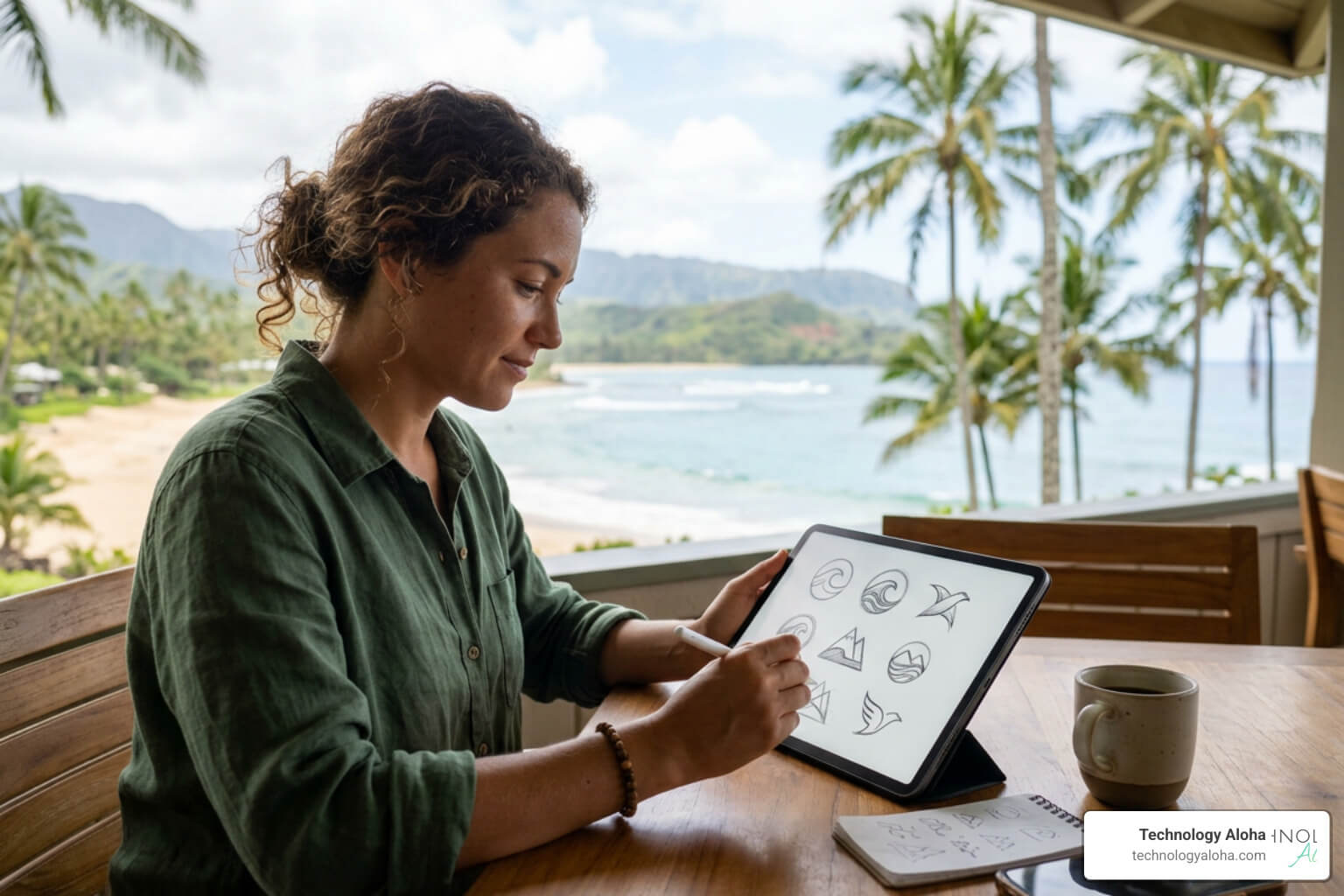
When you begin evaluating creative logo design services, you are not just buying a graphic; you are establishing the visual anchor for your entire business. How you choose to build this asset defines your brand’s market positioning from day one. If you are wondering where to start, understanding Why Your Logo Design and Printing Needs a Glow Up is the first step in realizing that a logo is a long-term commercial instrument, not a temporary placeholder.
The Role of AI in Modern Creative Logo Design Services
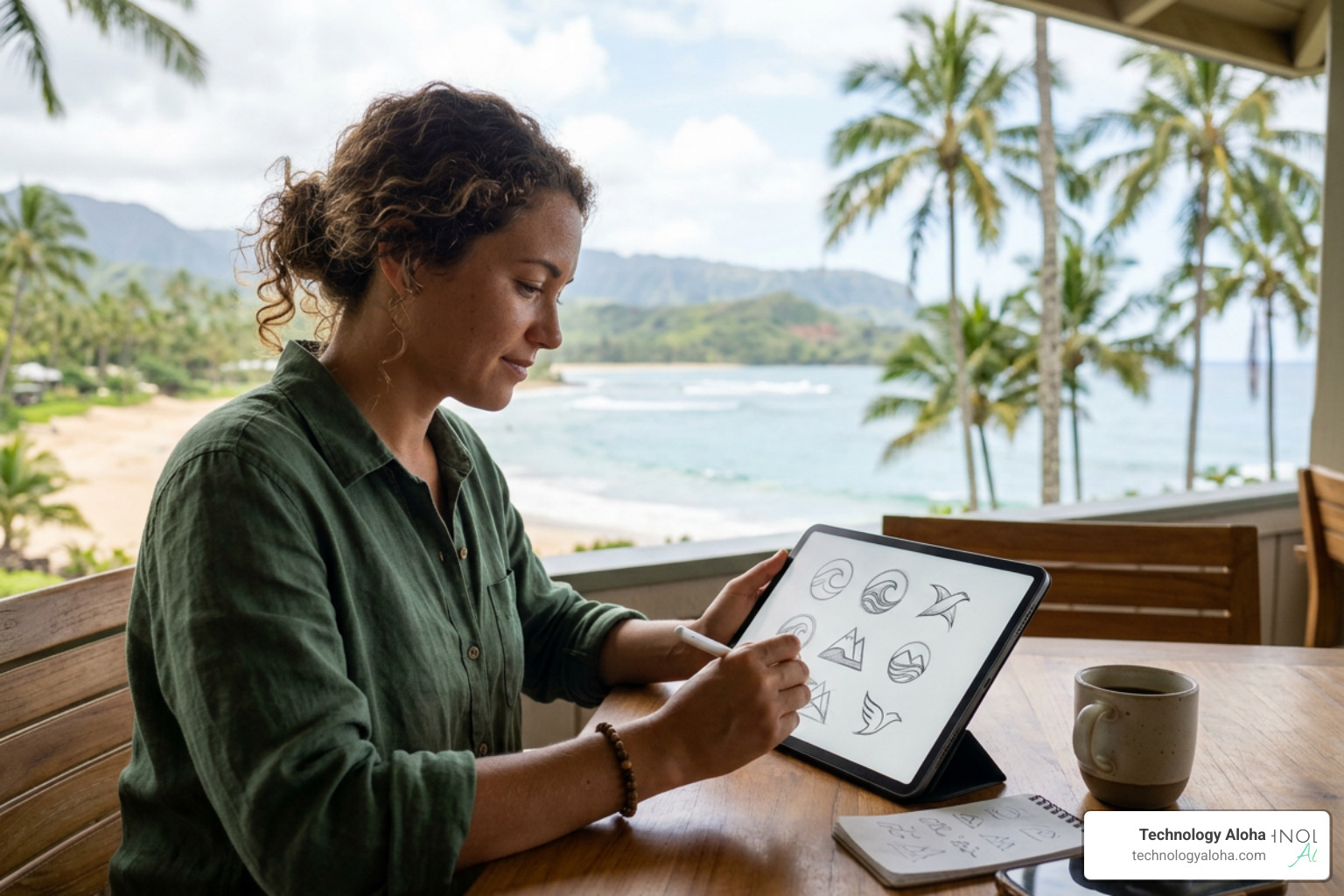
Artificial intelligence has democratized the initial stages of visual brainstorming. With modern AI generators, you can type a few prompts and receive dozens of variations in seconds. This speed is unmatched, making AI an appealing option for early-stage testing or side projects with zero budget.
However, the speed-versus-quality trade-off is stark. AI models generate designs by analyzing existing patterns, which means they excel at producing averages. They cannot understand your specific business context, your unique company story, or the subtle cultural nuances of your target market. If you rely solely on an algorithm, you risk ending up with a generic mark that blends in rather than stands out. For those determined to take the self-guided route, reviewing The DIY Guide to Creating a Brand Identity can help you structure your visual assets, but it also highlights where automated tools fall short of human strategic thinking.
The Limitations of Crowdsourced Design and Freelance Marketplaces
Crowdsourced design contests and massive freelance marketplaces occupy the middle tier of the design spectrum. In a design contest, you post a brief, and multiple designers submit concepts. While this model offers a high volume of options, it often results in transactional design.
Because designers in these setups are competing against hundreds of others with no guarantee of payment, they cannot afford to spend hours researching your industry, analyzing your competitors, or understanding your audience. This creates significant communication gaps. You may receive dozens of logos, but most will be superficial interpretations of your brief. Furthermore, cheap design templates often carry hidden costs—such as accidental copyright infringement, poor file formatting, or a complete lack of cohesive brand strategy. You might save money upfront, only to spend double later correcting errors that prevent the logo from working across professional platforms.
Why Businesses Invest in Professional Creative Logo Design Services
Ambitious brands bypass the transactional shortcuts and invest directly in professional, human-led creative logo design services. A professional design partnership is a collaborative, research-driven process that prioritizes your long-term brand equity over quick turnarounds.
When you work with a dedicated team, the design process begins with strategy, not sketching. We dig deep into your business goals, target demographics, and market differentiators. This ensures the final mark is bespoke—built from scratch to solve your specific business problems. A professional team doesn’t just deliver a single file; they deliver a scalable system that organizes your brand’s belief at a glance. To understand how this fits into your larger commercial goals, explore Branding Strategy 101 to see how a custom logo acts as the foundation for your entire market presence.
Comparing Costs, Deliverables, and Ownership
Budget allocation for visual assets should be viewed through the lens of return on investment. The deliverables and legal protections you receive vary dramatically depending on the service model you select.
| Feature | DIY AI Logo Makers | Freelance Marketplaces | Professional Design Agencies |
|---|---|---|---|
| Strategy & Research | None | Minimal to moderate | Deep competitive & audience analysis |
| Originality | Low (templated/pattern-based) | Variable (risk of stock assets) | 100% custom, built from scratch |
| Deliverables | Basic raster/vector files | Basic files (revisions often limited) | Complete print & digital master file kit |
| Legal Protection | None (not copyrightable) | High risk of trademark conflicts | Full copyright transfer & trademark support |
| Brand Integration | None | Standalone asset | Cohesive system (colors, fonts, layout) |
The Legal Reality of AI-Generated Logos
One of the most critical risks of the modern design landscape is the legal status of AI-generated assets. Under current intellectual property laws in the United States and other major jurisdictions, copyright protection requires human authorship.
Because AI tools generate graphics based on mathematical probabilities rather than human creativity, purely AI-generated logos are generally not eligible for copyright or trademark protection. This means that even if you find an AI logo you love, you cannot legally prevent a competitor from using the exact same mark. Investing in professional creative logo design services ensures that your visual identity is legally defensible, ownable, and ready for formal trademark registration.
File Formats and Post-Download Modifications
When a project concludes, the files you receive determine how easily you can use your logo. Professional design services deliver a comprehensive master file kit containing both vector and raster formats:
- Vector Files (SVG, EPS, AI): Built using mathematical paths rather than pixels, these files can be scaled infinitely—from a tiny website favicon to a massive physical billboard—without losing clarity.
- Raster Files (PNG, JPG): High-resolution pixel-based files optimized for digital use, including transparent backgrounds (PNG) for seamless website integration.
- Portable Document Format (PDF): High-resolution vector-based PDFs designed for commercial print production.
If you use a basic online tool, you are often locked out of making future modifications. Professional deliverables give you full ownership, allowing you to edit or scale your assets as your business grows and your marketing needs evolve.
How to Prepare for Your Logo Design Project
A successful logo design project requires preparation. Before a designer draws a single line, they need a clear understanding of your business landscape. Gathering your ideas and assets early prevents delays and ensures the creative team can align their output with your commercial goals.
Defining Your Brand Identity and Strategy
To build a logo that truly represents your business, you must first define your brand’s core identity. A logo is not decoration; it is a visual translation of your business strategy. You should be prepared to answer key questions about your brand personality, target audience, and long-term vision.
Are you aiming for a modern and sophisticated feel, or a playful and accessible vibe? What does your business do, and who are your primary competitors? If you need help organizing these thoughts, you can Answer These Simple Logo Design Questions to Nail Your Branding before your project kickoff. This preparation ensures that your design team spends their energy refining concepts that match your actual market positioning, rather than guessing what you want.
Bundling Logo Design with Comprehensive Branding Packages
A standalone logo cannot carry the entire weight of your brand’s visual communication. To build a consistent presence, your logo must work in tandem with a broader visual identity system. This is why many growing businesses choose to bundle logo design with comprehensive branding packages.
These packages typically include:
- Brand Guidelines: A comprehensive rulebook defining your brand colors, typography systems, and logo spacing requirements.
- Social Media Kits: Optimized profile pictures, banner templates, and post layouts for various platforms.
- Stationery Design: Cohesive layouts for business cards, letterheads, and digital email signatures.
By selecting Top Branding Packages to Make Your Business Pop, you ensure that your brand looks professional, cohesive, and intentional across every single touchpoint.
What Makes a Logo Effective Across Digital and Print Platforms
An effective logo must be highly functional. It must perform flawlessly in diverse, real-world environments—from the high-glare screen of a mobile device to the matte texture of a printed business card.
Designing for Digital Responsiveness
Modern branding requires responsive design. Your logo will be viewed on screens of all sizes, which means it must adapt to maintain readability.
A great responsive logo system typically includes:
- Primary Logo: The full version, used on desktop website headers and large marketing collateral.
- Stacked/Secondary Logo: A rearranged version optimized for square or vertical spaces.
- Logomark/Icon: A simplified symbol or monogram used for social media profile pictures, app icons, and favicons.
If your logo is too complex, it will turn into an illegible blur when scaled down to a 16-pixel mobile browser tab. To prevent this, professional designers apply The Definitive Guide to Brand Identity Web Design to ensure your visual assets are built with digital responsiveness in mind from the very beginning.
Designing for Print and Physical Media
Print production introduces physical variables that digital screens do not face, such as paper texture, ink absorption, and color reproduction limits. A professional logo must be designed to work in single-color formats, greyscale, and high-contrast environments.
When working with local physical media, such as packaging, embroidered uniforms, or vehicle wraps, your design files must be technically perfect. Working with professional graphic design and printing services ensures that your files are prepared correctly for physical production, avoiding costly printing errors and ensuring your brand looks as sharp in hand as it does on screen.
Frequently Asked Questions about Logo Design
What is the typical timeline and revision process for professional logo design?
A professional, custom logo design project typically takes two to three weeks from kickoff to final file delivery. The process is broken down into structured phases to ensure alignment:
- Discovery & Research: Analyzing your business goals, target audience, and industry competitors.
- Concept Development: Creating and presenting several distinct, hand-drawn design directions.
- Refinement & Feedback: Collaborating with you to tweak the chosen concept’s typography, colors, and layout.
- Finalization & Delivery: Exporting your approved mark into all necessary file formats and creating usage guidelines.
Most professional engagements include two to three rounds of revisions during the refinement phase. This structured feedback loop keeps the project moving forward while ensuring you are completely satisfied with the final result.
How do I decide between a DIY logo-maker, a freelance designer, or an agency?
Your choice should depend on your business stage, budget, and long-term goals:
- DIY Logo Makers: Best for pre-launch testing or side projects with no budget.
- Freelance Designers: A solid option for small businesses with straightforward needs, though you must handle the project management and quality control yourself.
- Professional Design Agencies: Essential for businesses focused on scaling, establishing authority, and protecting their market share.
An agency provides a dedicated team, strategic oversight, and a cohesive visual system that integrates your brand identity with your digital presence. For a deeper look at how to make this decision, check out our guide on Mastering Brand Strategy and Development for Modern Marketing.
Can I trademark a logo created by a professional designer?
Yes. When you work with professional creative logo design services, the final contract includes a full copyright transfer upon final payment. Because a professional designer creates your mark from scratch, it possesses the original human authorship required for legal protection.
Once you own the copyright, you can work with an intellectual property attorney to register your logo as a trademark. This gives you exclusive legal rights to use the mark within your industry, protecting your brand from copycats. To learn more about building a defensible brand, read The Ultimate Guide to New Brand Development.
Conclusion
Your logo is the visual foundation of your brand. While automated tools and cheap templates offer quick shortcuts, they cannot deliver the strategic depth, legal protection, and responsive functionality that a growing business needs to succeed.
At Technology Aloha, we believe that great design is an output of strategic clarity. Based in Kahului, HI, we combine data-driven insights with cohesive branding and user-centric designs to help businesses establish powerful, memorable identities. Whether you need custom logo design in Kahului, HI, or are looking to build a cohesive brand identity across Hawaii, we are here to help you navigate the process.
Let’s build a brand that carries your business into its next chapter. Explore our professional Branding services today to start your logo design journey.