The Ultimate Guide to Creating a Brand Awareness Plan
Why Every Organization Needs a Brand Awareness Plan
A solid brand awareness plan is the difference between being the organization people think of first — and the one they’ve never heard of.
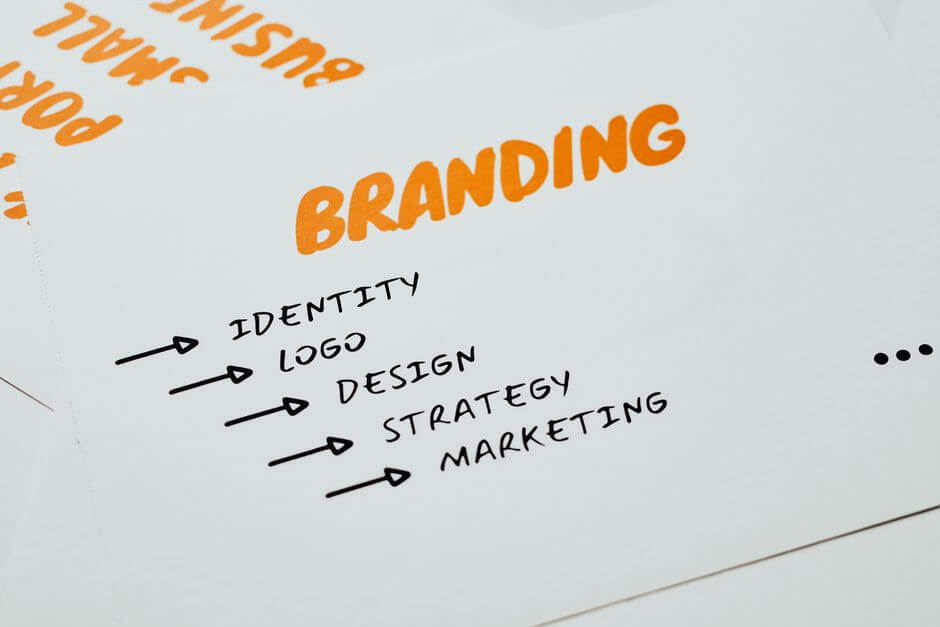
Here’s what a brand awareness plan covers, at a glance:
| Element | What It Means |
|---|---|
| Brand identity | Your name, logo, colors, voice, and values |
| Target audience | Who you’re trying to reach and where they spend time |
| Messaging strategy | What you say and how you say it — consistently |
| Channel selection | Where you show up: social, search, email, events |
| Measurement | How you track whether people actually remember you |
| Consistency | Repeating all of the above until recognition sticks |
Think of it this way: people see an average of 5,000 ads every day. Without a deliberate plan, your organization is just noise.
And the stakes are real. 69% of consumers choose a familiar brand over the cheapest option. Return customers spend 67% more than new ones. Brand awareness isn’t a vanity metric — it’s a revenue and mission driver.
For nonprofit leaders, this is especially true. Donors don’t give to organizations they’ve never heard of. Community members don’t seek services from brands they don’t trust. Recognition is the prerequisite for everything else.
This guide walks you through every stage of building a brand awareness plan — from laying the foundation to measuring what’s working. Whether you’re starting from zero or fixing a fragmented strategy, there’s a clear path forward.
Brand awareness plan glossary:
- A Comprehensive Guide to Brand Activation Plan
- A-Z Guide to Brand Reinforcement Strategies
- Brand Positioning and Differentiation
What is Brand Awareness and Why Does It Matter?
Brand awareness measures how familiar your target audience is with your business, your products, and your mission. It is the foundation of brand equity — the commercial value that derives from consumer perception of the brand name of a particular product or service, rather than from the product or service itself.
When you build strong brand awareness, you make every downstream marketing dollar work harder. It reduces customer acquisition costs because your audience already knows, likes, and trusts you before they even enter your sales or donation funnel.
But why is this so critical in July 2026? Because consumer trust has become the primary currency of business. According to Edelman’s recent trust data, 81% of consumers say they need to trust a brand before buying from it. When you ignore this, you struggle to survive. We explored this reality deeply in our article on Is Branding Important Only If You Like Customers?.
Furthermore, the digital landscape has shifted. As traditional search engine volumes decline and AI search assistants become the new gatekeepers, having a strong brand presence across the web determines whether machines recommend you. For a deeper look at this shift, read What Is Brand Awareness in 2026? A Digital Marketer’s Guide – Trendswave Media.
Building this awareness is also the single most effective way to secure customer loyalty. Consider these facts:
- Return customers cost five to seven times less to retain compared to acquiring new ones.
- Return customers spend 67% more than new buyers.
- 97% of customers consider their experience, specifically customer service, when giving their loyalty to a brand.
- 61% of consumers are willing to pay at least 5% more to receive a good customer experience.
- 60% of consumers are ready to switch brands after just one negative event.
When you fail to prioritize customer experience, you kill your brand awareness. People do not just remember your logo; they remember how you treated them.
Key Components of a Strategic Brand Awareness Plan
A successful brand awareness plan relies on a structured framework rather than sporadic social media posts. To build a brand that sticks, you must align five core components:
- Brand Identity and Positioning: This defines who you are, who you serve, and how you differ from everyone else. Without clear Brand Positioning and Differentiation, you are invisible.
- Consistent Messaging and Storytelling: You must speak with one voice. If your website sounds formal but your social media sounds casual, you confuse your audience.
- Visual Branding and Recognition: Your logo, colors, and typography must remain identical across all digital and physical touchpoints. A Brand Style Guide: Your Key to a Consistent Brand Image is the tool that enforces this discipline.
- Audience Engagement: Real brand awareness is a two-way street. You must actively converse with your community, answer their questions, and acknowledge their feedback.
- Multi-Channel Presence: You cannot rely on a single platform. A balanced plan coordinates owned channels (your website and email list), earned channels (PR and reviews), and paid channels (search and social ads).
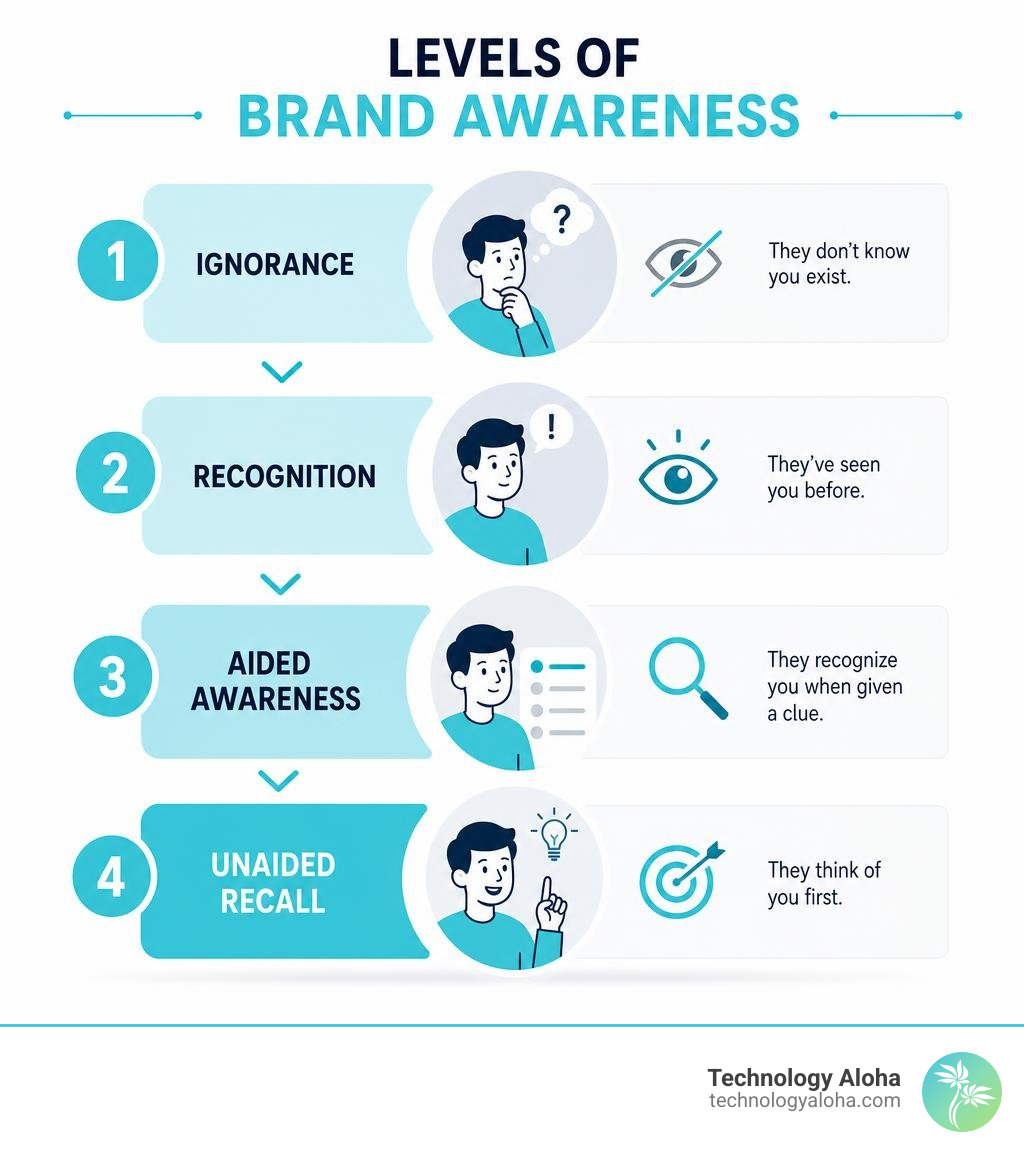
To understand how your target audience processes your brand, look at the three levels of brand awareness:
| Level of Awareness | What It Means | Consumer Behavior |
|---|---|---|
| Brand Recognition | Aided awareness | “I recognize that logo from a list of options.” |
| Brand Recall | Unaided awareness | “When I need this service, I immediately think of your brand.” |
| Brand Dominance | Top-of-mind dominance | “You are the only brand I associate with this need.” |
How to Build an Effective Brand Awareness Plan from the Ground Up
You cannot build brand awareness overnight. It is a systematic process that requires moving from strategic alignment to tactical execution.
If you are launching a new venture or revitalizing an existing one, start by reviewing The Ultimate Guide to New Brand Development. Once you have your core identity, you can map out your execution using our Step-by-Step Guide to Brand Strategy Plan.
To execute this effectively, we recommend organizing your efforts into a clear 90-day sequence:
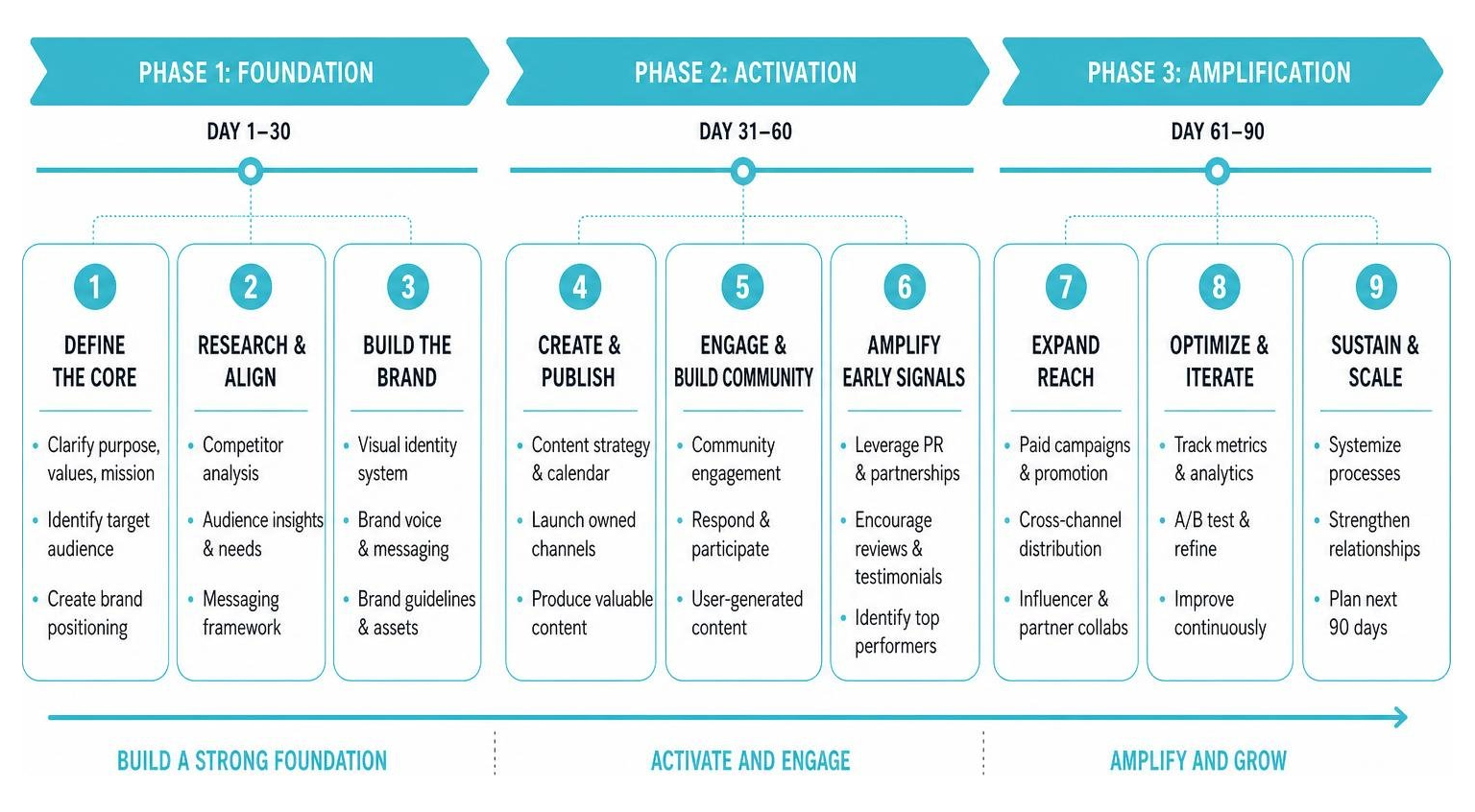
Laying the Foundation for Your Brand Awareness Plan
Before you spend a single dollar on advertising, you must define your foundation. This starts with documenting your brand values and mission statement. These are not just words for your office wall; they are the filters for every decision you make.
Next, perform a thorough competitor analysis. Identify the top three to five organizations in your space. What messaging do they use? What visual assets do they own? Find the gaps they are ignoring.
For organizations operating in Hawaii, this means understanding the local landscape. The state’s economic and cultural context requires a highly tailored approach. Reviewing A STUDY OF THE MADE IN HAWAI’I BRAND provides excellent insights into how local values, geographic origin, and authentic storytelling drive consumer trust and recognition across the islands.
Finally, lock down your visual assets and brand voice. Establish a consistent tone of voice — whether it is authoritative, educational, or warm — and ensure every piece of content you produce adheres to it.
Launching and Amplifying Your Brand Awareness Plan
Once your foundation is secure, you can begin channel selection. Do not try to be everywhere at once. Focus on the platforms where your target audience actually spends time.
According to current data, 85% of U.S. adults use YouTube, 70% use Facebook, 50% use Instagram, and 33% use TikTok. If you are targeting a younger demographic, Instagram and TikTok are essential. If you are targeting donors or professional partners, Facebook and email newsletters will yield better results.
To amplify your reach, combine these tactics:
- Search Engine Optimization (SEO): Optimize your website for the informational questions your audience is asking. Learn how to execute this by reading How Small Businesses Can Build a Brand with SEO.
- Email Newsletters: Treat email as a relationship-building tool, not just a conversion channel. Send regular, high-value content that solves problems for your subscribers.
- Micro-Influencers: Partner with local creators who align with your values. 61% of consumers aged 18 to 34 have been convinced to buy something by an influencer. Focus on engagement rates and authentic community connection rather than sheer follower counts.

Best Practices for Growing Brand Recognition and Trust
To make your brand awareness plan truly effective, you must transition from cold marketing tactics to relationship building. People do not connect with logos; they connect with other humans and compelling stories.
- Prioritize Storytelling Over Hard Selling: Share your origin story, highlight your customer successes, and show the behind-the-scenes work of your team.
- Focus on Customer Experience and Personalization: 71% of consumers expect companies to deliver personalized interactions, and 76% get frustrated when they do not. Customize your communications based on user behavior and preferences.
- Activate Employee Advocacy: Encourage your team members to share their professional journeys on networks like LinkedIn. People trust employees far more than they trust corporate brand accounts.
- Launch Referral Programs: Word-of-mouth remains the most powerful growth driver. 49% of U.S. consumers say friends and family are their top sources of brand awareness. A simple, two-sided referral program can scale your reach rapidly.
- Build Strategic Partnerships: Partner with non-competing organizations that share your target audience to co-host events, publish joint research, or cross-promote services.
How to Measure the Success of Your Brand Awareness Campaigns
Because brand awareness sits at the top of the marketing funnel, measuring its ROI can feel challenging. However, you can track its health and growth by monitoring a balanced mix of direct and indirect metrics:
- Direct Website Traffic: When users type your exact URL into their browser, it proves they already know your name and recall your brand.
- Branded Search Volume: Track how many people search for your organization by name in Google Search Console. If this number grows month-over-month, your brand awareness campaigns are working.
- Social Media Engagement: Monitor reach, impressions, and follower growth, but prioritize active engagement — shares, saves, and comments — over passive views.
- Share of Voice (SOV): Calculate how much of the online conversation in your industry or geographic region is focused on your brand compared to your competitors.
- Brand Lift Studies: Run simple, targeted surveys before and after a campaign to measure the change in aided and unaided recall within your target demographic.
- AI Citation Rate: In 2026, you must track how often AI models like ChatGPT, Claude, and Perplexity cite your brand when answering queries related to your niche. Optimizing for these citations is called Generative Engine Optimization (GEO), and it relies heavily on securing authoritative third-party mentions, reviews, and original research across the web.
Frequently Asked Questions about Brand Awareness
What is the difference between brand awareness and brand recognition?
Brand recognition is aided awareness. It occurs when a consumer sees your logo, packaging, or visual cues and says, “Yes, I have seen that brand before.” Brand awareness is much deeper. It refers to the consumer’s overall knowledge of your mission, values, and offerings, leading to brand salience — meaning they spontaneously recall your brand when a specific need arises.
How long does it take to see results from a brand awareness campaign?
Because brand awareness is a long-term investment in relationship building, you should expect to see early indicators — such as social media engagement and direct traffic bumps — within 3 to 6 months. Building deep market trust, strong brand recall, and compounding brand equity typically requires 12 to 18 months of consistent activity.
How can small businesses and nonprofits build brand awareness on a budget?
You do not need a multi-million dollar advertising budget to build a highly recognizable brand. Focus your resources on these low-cost, high-impact strategies:
- Niche Targeting: Do not try to be everything to everyone. Focus on becoming the dominant brand within a highly specific local community or industry niche.
- Organic Social Media: Actively engage with your followers, participate in local discussions, and create highly shareable, educational content.
- Local SEO: Optimize your Google Business Profile and local directory listings to ensure you appear when local residents search for your services.
- Google Ad Grants: If you are a qualifying nonprofit, apply for the Google Ad Grant to secure free search advertising to drive targeted traffic to your website.
- Micro-Influencer Partnerships: Partner with local community champions who are willing to share your mission with their highly engaged networks.
Conclusion
A successful brand awareness plan is not a luxury; it is a strategic necessity. By focusing on consistency, authentic storytelling, and a seamless customer experience, you build a brand that your target audience recognizes, remembers, and trusts.
At Technology Aloha, we understand that building this trust requires a robust digital foundation. We provide specialized, scalable digital infrastructure for food banks and nonprofits, closing the survival gap through virtual donation platforms and high-conversion, user-centered websites. We bring deep expertise in food bank operations, award-winning nonprofit design, and a relentless focus on reducing donation friction to increase both donor generosity and recipient access.
If you are ready to move from disconnected campaigns to a strategic, compounding approach, explore our professional services and let us help you build a brand that lasts. Learn more about our approach to Branding and start growing your reach today.