What a Web Copy Writer Actually Does (And Why It Matters for Your Business)
A skilled web copy writer does far more than fill pages with words — they build the strategic foundation that turns casual website visitors into paying clients.
Quick answer for busy readers:
| What you need to know | The short version |
|---|---|
| What is a web copy writer? | A professional who writes website content designed to attract, engage, and convert visitors |
| What do they actually do? | Research, strategy, SEO, UX planning, brand voice, and writing — in that order |
| Why does it matter? | Strategic copy can drive dramatic business growth — one business went from $72k to $1.9M in a single year |
| Who needs one? | Any business with a website that isn’t consistently generating the right leads |
| What’s the first step? | Discovery and audience research — not writing |
Most small business owners assume their website underperforms because of design. In reality, the words are usually the problem.
A weak headline. A confusing services page. A homepage that talks about the business instead of to the customer. These are copy problems — and they’re fixable.
What separates a professional web copy writer from a general freelance writer is strategy. The best copywriters start with deep audience research, map the customer journey, build a messaging hierarchy, and only then put words on the page. As one industry perspective puts it: strategy first, words second.
The results speak for themselves. Well-executed website copy has generated 700+ new leads for a single business, driven 90% of a company’s client inquiries through organic search alone, and produced a 30% lift in both email list size and product sales.
This guide explains exactly how that happens — and what to look for when you’re ready to invest in copy that works.
Explore more about web copy writer:
Defining the Modern Web Copy Writer
A modern web copy writer in 2026 is essentially a digital architect who designs information hierarchy to guide users from curiosity to conversion. They don’t just “write words”; they understand user psychology, master brand positioning, and establish a clear messaging hierarchy to drive business growth through clarity.
They must understand user psychology—knowing exactly what a visitor needs to hear at each stage of their journey to feel safe enough to buy. This requires a mastery of brand positioning, ensuring the business stands out in a crowded market by highlighting its unique value proposition. By establishing a clear messaging hierarchy, a copywriter ensures that the most important information hits the reader’s eyes first, driving business growth through clarity.
The Role of a Web Copy Writer in 2026
In 2026, the role of a web copy writer is deeply intertwined with User Experience (UX) strategy and conversion optimization. They perform extensive audience research, deliver work via wireframing to reduce friction, and act as a bridge between technical empathy and persuasive storytelling to ensure the website functions as a high-performing sales tool.
Conversion optimization is the ultimate goal. The copywriter acts as a bridge between technical empathy—understanding how people interact with devices—and persuasive storytelling. They ensure the website isn’t just a brochure, but a high-performing sales tool.
Essential Skills for Professional Success
Essential skills for professional web copywriting success require a blend of creative and analytical abilities, including mastery of data analysis. Key skills include Competitive Analysis, Storytelling, and Brand Voice Development, ensuring content is data-driven, relatable, and authentic.
Key skills include:
- Competitive Analysis: Identifying where competitors “zig” so you can “zag.”
- Storytelling: Using narrative arcs to make a brand relatable and memorable.
- Brand Voice Development: Creating a consistent personality that sounds human, not like a corporate robot.
Core Services and Strategic Integration
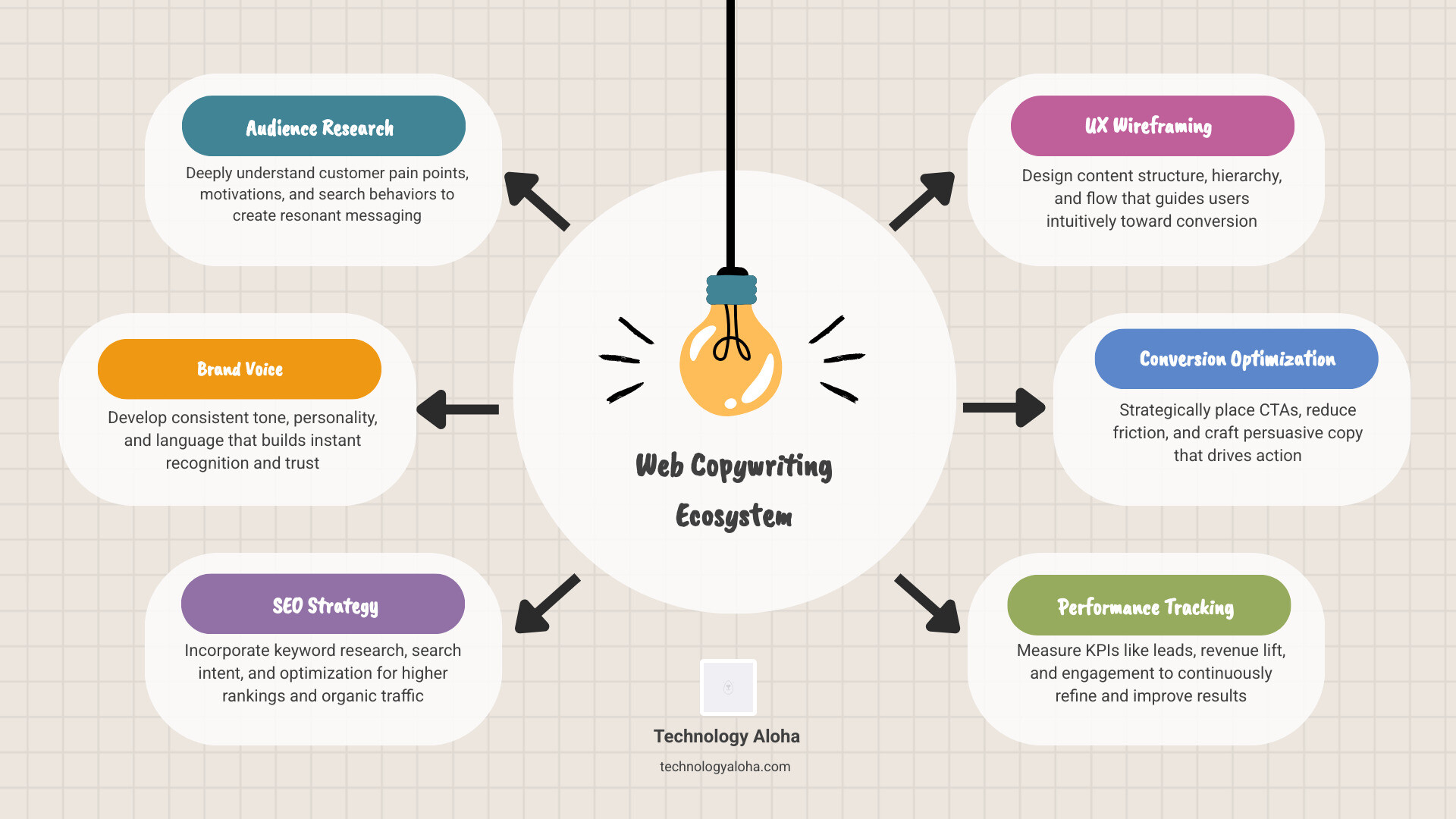
A web copy writer provides a suite of core services that go far beyond a single “About Me” page, strategically integrating them by looking at the website as a whole system rather than isolated components.
Why Every Web Copy Writer Needs SEO Expertise
In 2026, “good writing” isn’t enough if no one can find it. SEO expertise is mandatory. This involves keyword research to understand what your customers are actually searching for and matching the search intent of those queries. Professional copywriters know 10 Simple Seo Copywriting Tips For Your Small Business to ensure content ranks well while remaining readable.
We are also seeing the rise of Generative Engine Optimization (GEO). This means structuring copy so that AI search engines like ChatGPT or Perplexity can easily pull accurate, authoritative information about your brand. Whether you are learning How To Write Great Blog Post or optimizing a landing page, the technical structure (H1s, H2s, and metadata) matters as much as the prose.
Beyond the Page: Email and Social Copy
Beyond website pages, web copywriting encompasses managing the 'spokes' of digital presence, including email marketing, social media, and microcopy. This involves crafting email sequences, engaging social media captions, and microcopy for buttons and forms to nurture leads and maintain brand consistency.
Strategic integration includes:
- Email Marketing: You can Stop Getting Ghosted With Better Sales Email Copywriting by using personalized, value-driven messaging.
- Social Media: Knowing How To Write Engaging Social Media Captions keeps the brand voice consistent across platforms.
- Microcopy: The tiny words on buttons, error messages, and form fields that guide the user journey.
The Professional Copywriting Process
Professional copywriting is a systematic process. If you Hire A Sales Copywriter To Do The Heavy Lifting, you aren’t just paying for a Word document; you’re paying for a proven methodology.
| Feature | DIY Copywriting | Professional Web Copy Writer |
|---|---|---|
| Starting Point | Blank page / “About Us” | Deep-dive discovery & research |
| Audience Insight | Guessing what they want | Review mining & VoC research |
| SEO | Sprinkling in keywords later | Built into the site architecture |
| Structure | Whatever looks good | Strategic messaging hierarchy |
| Design | Copy fits into a template | Copy dictates the design wireframe |
Research and Audience Intelligence
Research and audience intelligence inform professional copywriting by beginning with a Discovery Phase that involves “Voice of Customer” (VoC) research. This process mines reviews and interviews to find exact customer phrases, helping copywriters understand buyer motives and use psychological triggers to make readers feel understood.
Wireframing and Content Design
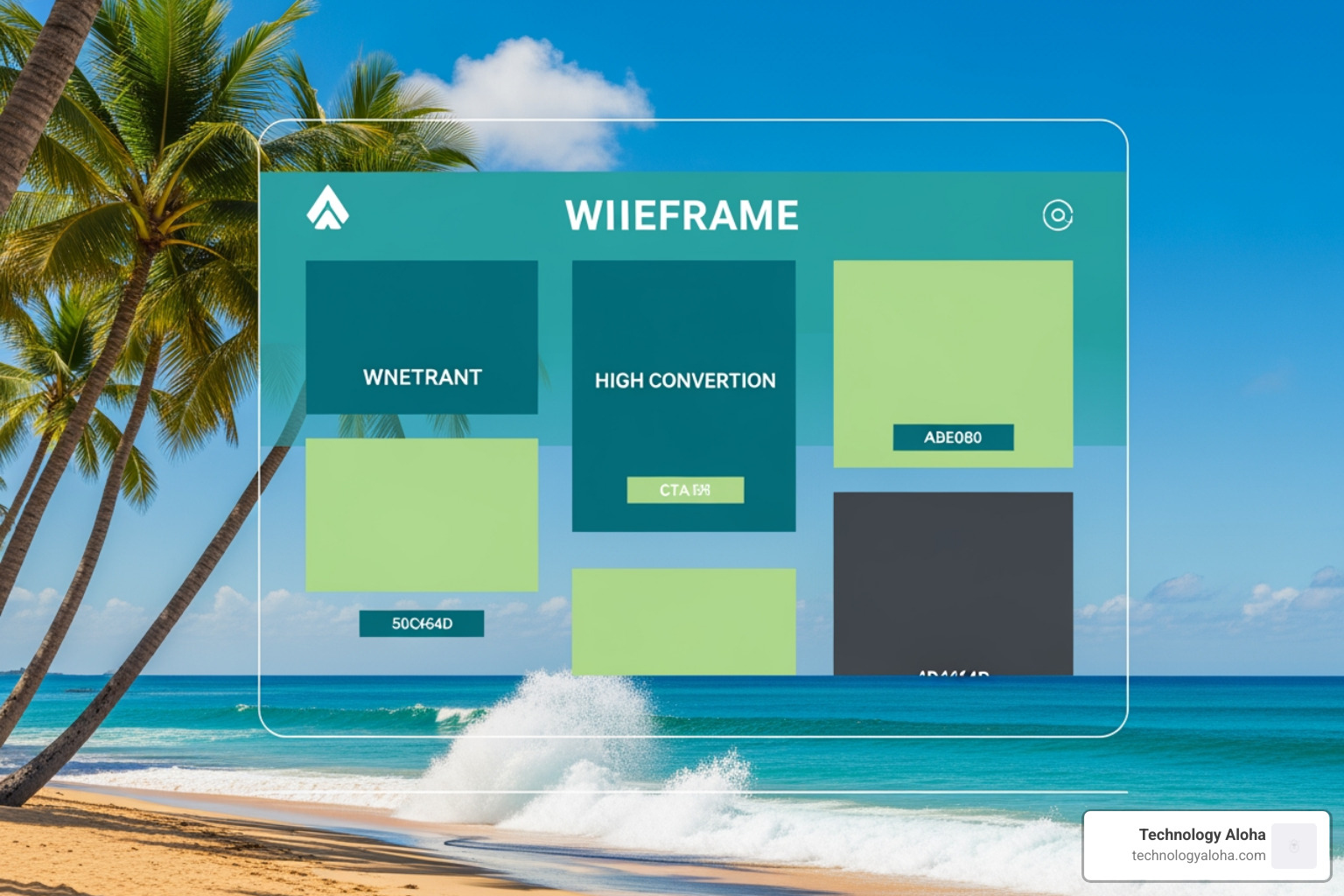
In web copywriting, wireframing and content design function by having a web copy writer deliver copy in visual wireframes, rather than just paragraphs. This process shows designers exactly where headlines, subheads, and Call to Action (CTA) buttons should go to maximize scannability and optimize user experience.

Measuring Impact and Business Results
We measure the impact and business results of web copywriting by focusing on the Return on Investment (ROI), as strategic copy leads to measurable shifts in business metrics. This means tracking how effective copy translates into tangible business growth and improved performance.
Key Performance Indicators for Copy
We track several KPIs to measure the success of new copy:
- Conversion Rates: The percentage of visitors who take the desired action.
- Bounce Reduction: Keeping people on the site longer because the message is relevant.
- Lead Quality: Attracting the right people, not just “any” people.
- Sales Lift: Direct increases in revenue following a copy refresh.
Real-World Success Metrics
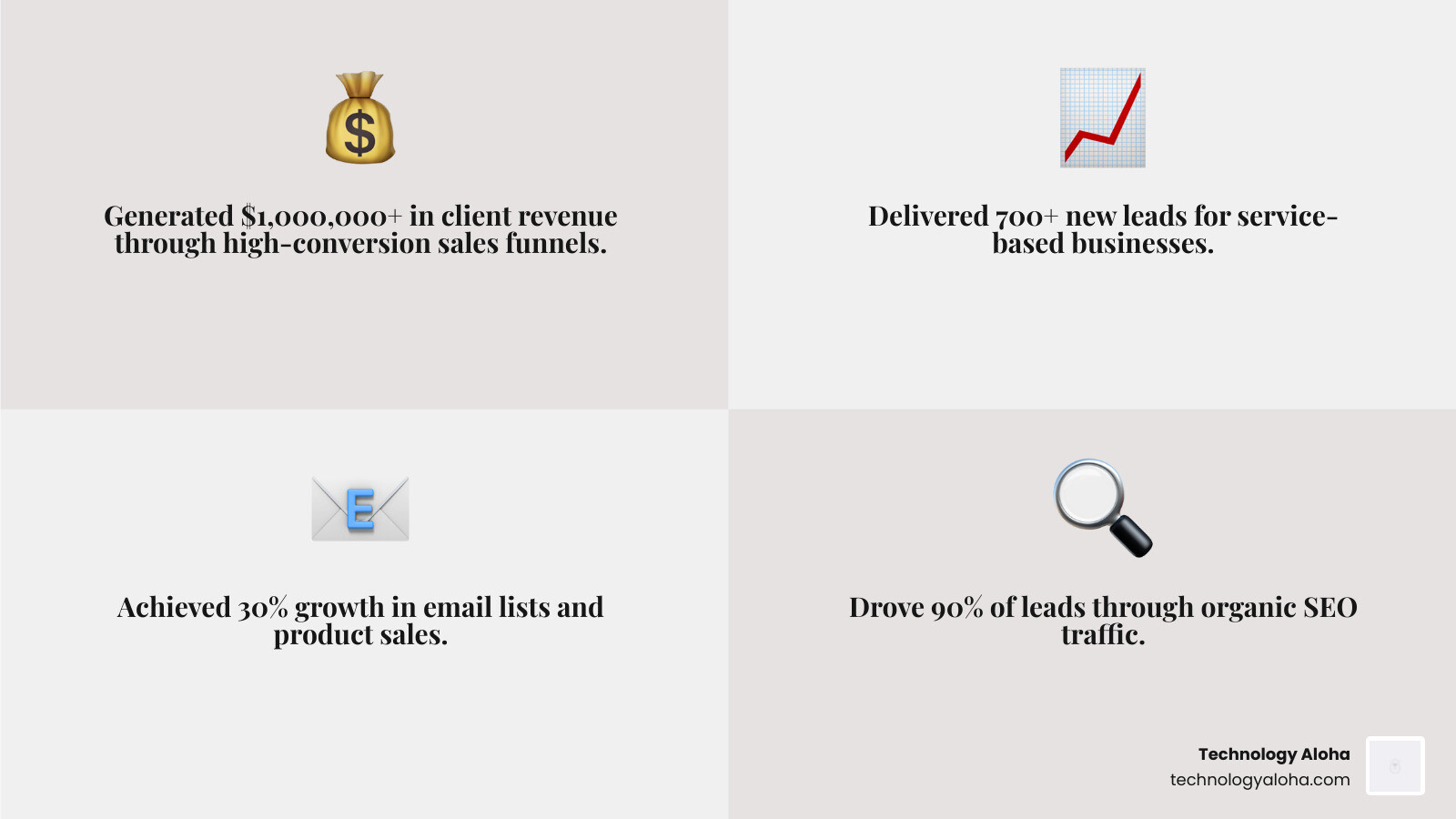
The data from the field is staggering. Strategic website copywriting has:
- Generated $1,000,000+ for clients through high-conversion funnels.
- Brought in over 700 new leads for service-based businesses.
- Resulted in a 30% lift in email list growth and product sales.
- Driven 90% of client leads through organic SEO.
- Helped businesses book out 9–12+ months in advance.
Human Creativity in the Age of AI
As of May 2026, AI tools are everywhere, but they haven’t replaced the professional web copy writer. Why? Because AI lacks “strategic empathy.”
Why Human Copywriting Remains Essential
AI can generate “fine” text, but it struggles with nuance and cultural context. It cannot “zig” when everyone else is “zagging” because it is built to predict the most likely next word—which is the definition of generic.
Human copywriters provide:
- Emotional Connection: Building trust through shared human experiences.
- Main Character Energy: Positioning the customer as the hero of the story, not just a data point.
- Brand Authenticity: Capturing the unique “spirit” of a company that simple notes or AI prompts often miss.
- Complex Problem Solving: Understanding how to structure a site that serves multiple distinct audiences without confusing any of them.
Frequently Asked Questions about Web Copywriting
How much does professional web copywriting cost?
While we don’t list specific prices, costs generally depend on the project scope, the writer’s experience level, and whether you are paying for just the writing or a full strategy and wireframing package. Most professionals use value-based pricing because the ROI of a high-converting site far outweighs the initial cost.
What is the difference between a copywriter and a content strategist?
A copywriter is the “architect” and “builder” of the words. A content strategist is the “urban planner” who decides what pages are needed, where they should live in the ecosystem, and how they should be maintained over time. In 2026, the best web copy writers often perform both roles.
How long does a typical website copy project take?
For a standard five-to-ten-page website, expect a timeline of 2–4 weeks. This allows for the deep-dive research phase, the initial draft, and at least two rounds of revisions to ensure the voice is perfect.
What Are the Key Takeaways from This Guide to Web Copywriting?
The key takeaways from this guide to web copywriting are that your website is your most important digital asset, and a professional web copy writer ensures it works 24/7 to attract and convert leads. By combining strategic positioning, data-driven insights, and user-centric design, they make your brand voice heard and felt, making investment in words the fastest way to grow your business.
Whether you need a full website overhaul or professional Copywriting Editing to sharpen your current message, investing in your words is the fastest way to grow your business in the modern digital landscape.
Hawaii Website Copywriter & Editor – Content Development Team Katheryn Dorr – Copywriter – LinkedIn Maria Kanai – Writer & Editor Kaneohe HI Website Content Strategy Services | SEO Copywriting …