Why is Social Media Marketing Essential for Increasing Brand Awareness?
Building brand awareness is no longer just about buying billboard space or running local radio spots. In 2026, audience attention lives on mobile screens. Understanding What Is Social Media Marketing? is the foundation for turning passive scrollers into passionate brand advocates.
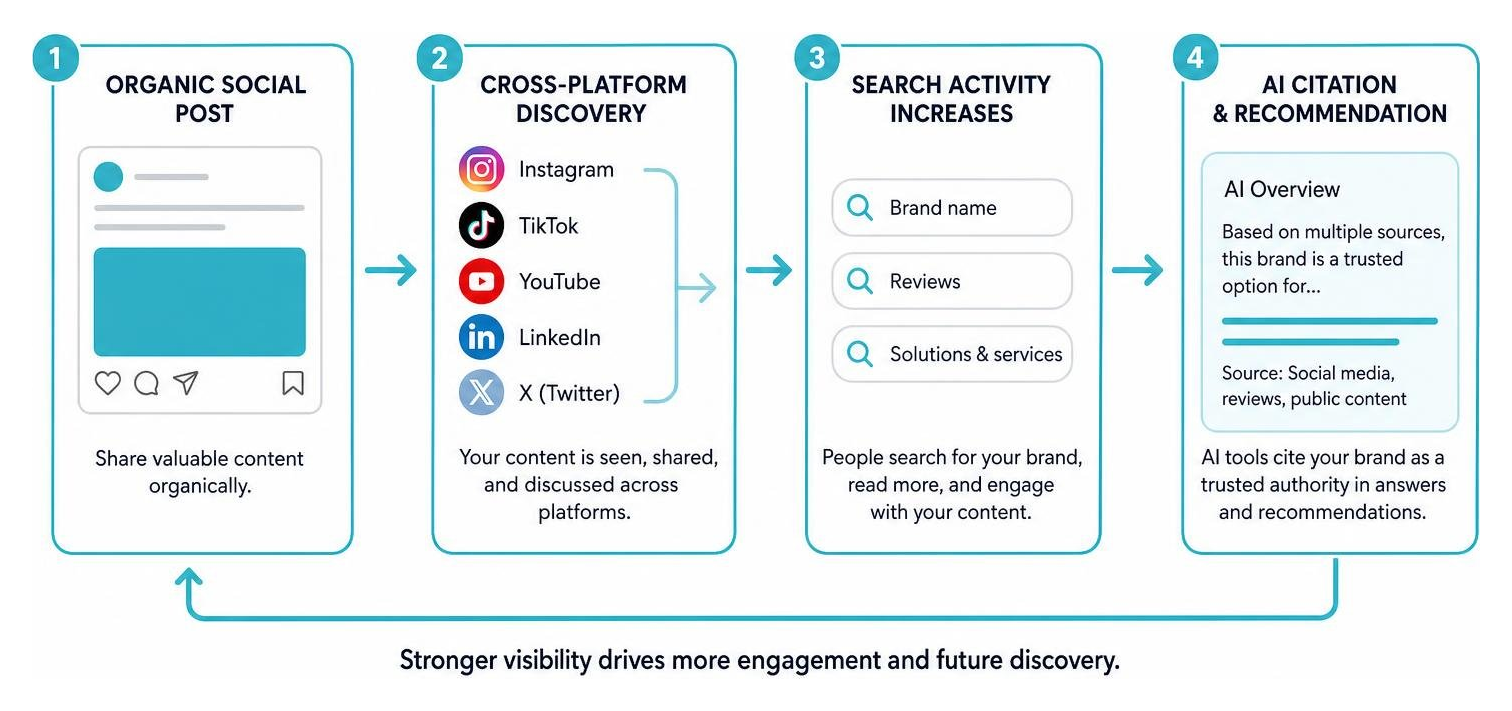
Brands that invest in active, strategic channel management build visibility that traditional channels cannot match. An Academic Study on Cross-Platform Consumer Engagement demonstrates that firm-generated social content creates strong direct engagement while driving valuable spillover activity across other digital touchpoints. When you post valuable content on one platform, you spark search activity and conversations across the entire web.
Understanding Brand Equity and Recall
Brand equity is the total value and perception of your brand in the minds of your audience. Top-of-mind recall means that when a consumer or prospective donor encounters a specific problem—such as needing to find local food support or choosing a community-focused service—your name is the very first one they think of.
Establishing brand authority creates a distinct trust moat around your organization. That trust directly lowers long-term acquisition costs and lifts customer lifetime value. When audiences recognize and respect your work, they remain loyal, recommend you to peers, and respond far more favorably to future campaigns.
The Shift Toward Social Search and AI Discovery
The way people discover information has fundamentally changed. Today, social media networks act as primary search engines. Users frequently type specific queries into Instagram, TikTok, YouTube, and LinkedIn instead of turning to traditional web search engines.
At the same time, Generative Engine Optimization (GEO) and AI search platforms parse social platforms to evaluate brand credibility. AI tools scour public discussions, user reviews, and brand posts to generate answers for conversational search queries. If your organization maintains a steady, authoritative presence across social networks, AI models are significantly more likely to cite your brand as a trusted authority.
Selecting the Right Platforms for Strategic Audience Visibility
Not every network fits every mission or business model. Attempting to maintain a profile on every available network spreads thin resources and dilutes your impact. To maximize reach, start by reviewing Social Media 101: Know Your Target Market to align your efforts with audience behavior.
Every social channel caters to different user expectations and content styles. Discover Why You Need to Create Different Content for Each Social Media Channel to ensure your messaging lands naturally within each feed.
| Platform | Core Demographics | Primary Content Formats | Average Organic Engagement Rate | Best For |
|---|---|---|---|---|
| TikTok | Gen Z & Millennials | Short-form video, vertical trends | ~2.5% | Organic reach, rapid discovery, creative challenges |
| Millennials & Gen Z | Reels, Carousels, Stories, Feed | ~0.5% | Visual storytelling, community interaction, lifestyle | |
| Professionals, B2B, Decision-makers | Text posts, PDFs/documents, video | ~2.0% | Authority, B2B partnerships, corporate giving | |
| YouTube | All age demographics | Long-form video, Shorts | Varies by niche | Search-based discovery, high-depth tutorials |
| Gen X & Baby Boomers | Text, community group posts, link shares | ~0.3% | Local community groups, event promotion, older donors |
B2B and Professional Brand Building Channels
For organizations targeting business decision-makers, community leaders, or corporate sponsors, LinkedIn is the primary engine for brand authority. Executive leadership, staff advocates, and organizational updates build trust through transparent thought leadership.
Publishing original industry research, behind-the-scenes operational insights, and clear case studies positioning your team as experts creates direct access to high-value partners without requiring cold pitches.
Visual and Short-Form Video Networks
Short-form video is the most powerful medium for rapid organic exposure. TikTok and Instagram Reels rely on recommendation algorithms that deliver your content to users who do not yet follow your profile, making them ideal engines for expanding top-of-funnel reach.
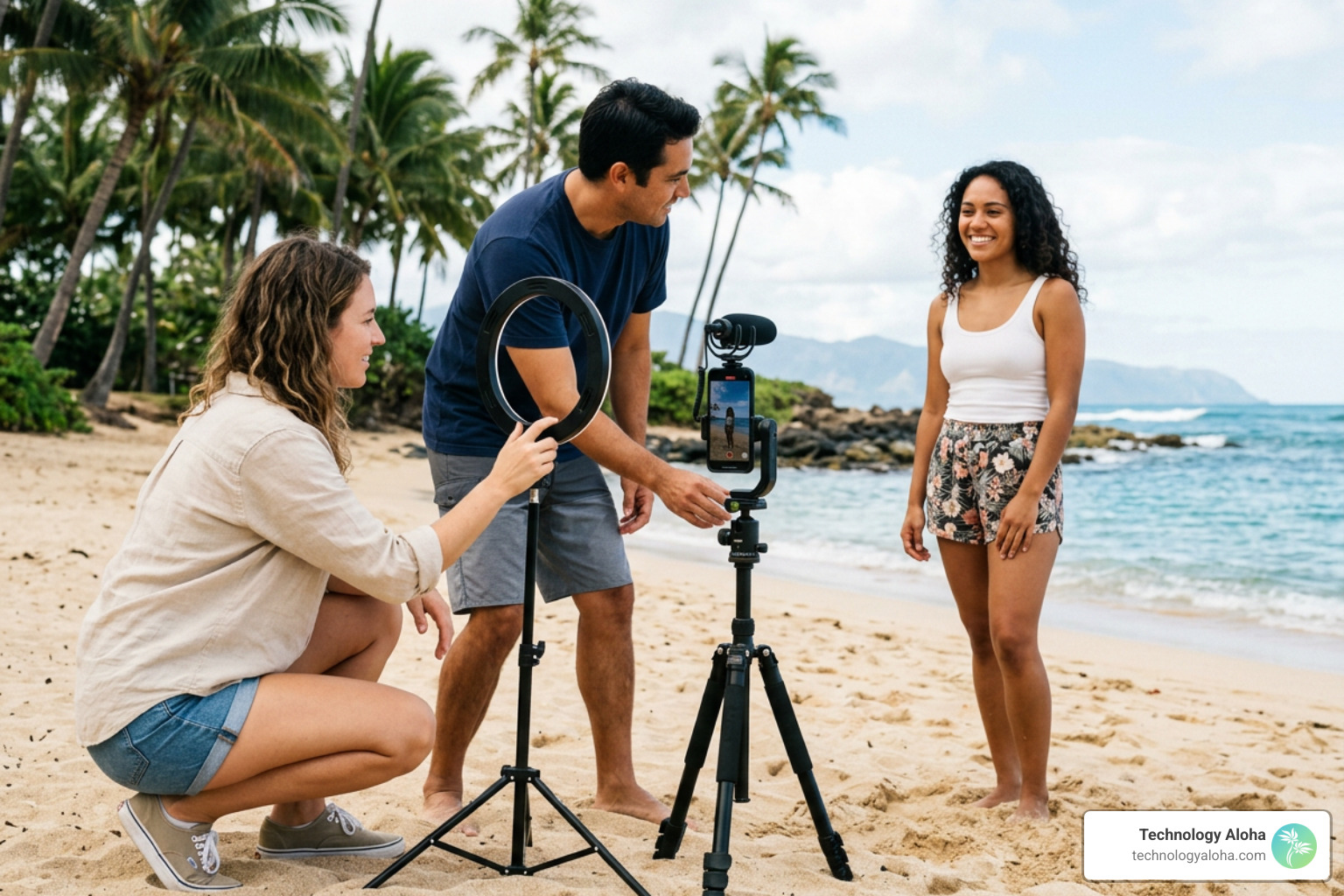
YouTube offers incredible longevity through search depth. While a typical social post saw its peak reach fade within hours in years past, a well-optimized YouTube video or Short can drive discoverability and traffic for years.
High-Performing Content Frameworks and Tactics
Creating content without a strategic structure leads to audience burn-out and inconsistent performance. Learn about the 5 Important Social Media Benefits for Small Business to see how structured posting builds reliable audience affinity over time.
A proven framework for consistent content success is the 80/20 rule:
- 80% Value-First Content: Educational tips, behind-the-scenes stories, community highlights, and entertaining posts.
- 20% Promotional Content: Direct calls-to-action, event sign-ups, service pitches, or donation requests.
What are High-Impact Content Types for Increasing Brand Awareness via Social Media Marketing?
Certain content types naturally outperform standard text updates because they trigger high-value engagement signals like saves and shares:
- Short-Form Video Hooks: Capture attention within the first three seconds by introducing a relatable problem or bold statement.
- Educational Carousels: Multi-slide posts that break down complex processes into simple, actionable steps naturally drive saves.
- Interactive Polls & Questions: Simple two-option polls or open-ended questions spur rapid comment activity.
- Data-Rich Infographics: Clear visual summaries convert statistics into shareable assets.
Leveraging User-Generated Content and Micro-Influencer Partnerships
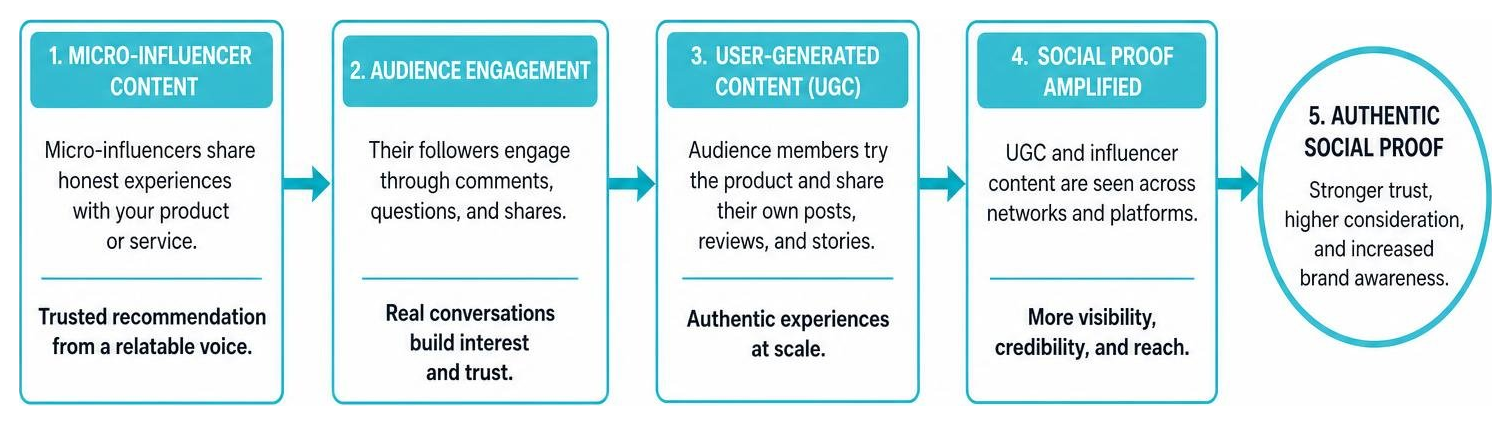
Consumers trust fellow humans far more than corporate messaging. Research shows 79% of consumers report user-generated content (UGC) highly impacts their purchasing decisions, finding it almost ten times more impactful than traditional influencer campaigns.
A comprehensive Meta-Analysis on Owned Social Media and Engagement reveals that functional, informational messaging builds trust and drives conversion action, while emotional content maximizes social liking and sharing.
Partnering with micro-influencers—creators with 5,000 to 25,000 highly engaged followers—often yields better results than working with macro-celebrities. Micro-influencers foster tight-knit communities, resulting in higher engagement rates and authentic peer endorsements at a fraction of the cost.
Paid Advertising and Community Engagement Strategies
While organic content builds depth and connection, social algorithms intentionally limit brand reach to encourage ad spending. To reach new audiences quickly, read about Considering Advertising on Social Media? Learn the Basics Today to layer targeted amplification on top of your organic foundation.
True growth requires active two-way dialogue. Discover How to Engage Social Media Communities by maintaining human conversations across every thread.
What Paid Advertising Tactics Can Leverage Social Media Marketing to Increase Brand Awareness Reach?
Paid amplification does not require massive enterprise budgets. Putting small ad spends behind your best organic posts ensures your proven content reaches new, highly targeted demographics.

Effective paid strategies for upper-funnel growth include:
- Lookalike Audiences: Upload existing donor or customer email lists to target user profiles with matching behaviors and demographics.
- Retargeting Funnels: Serve follow-up video ads to users who watched at least 50% of your top-of-funnel video content.
- Ad Boosting: Amplify posts that have already demonstrated high organic engagement rates to maximize efficiency.
Fostering Community Loyalty and Continuous Interaction
Social media is a two-way dialogue, not a static broadcast. Leaving user comments, direct messages, and brand mentions unaddressed destroys community trust.
Responding to comments within 24 hours signals to both your audience and platform algorithms that your account is active and responsive. Developing a warm, consistent brand voice transforms casual viewers into vocal brand advocates who champion your mission.
Measuring Metrics, Avoiding Common Mistakes, and Scaling with AI
Tracking progress requires looking past superficial vanity metrics like total follower counts. Equipping your team with modern Social Media Marketing Tools simplifies cross-channel publishing and data collection.
Conducting a periodic Social Media Audit: What It Is and Why Your Organization Needs One helps identify low-performing content, refine channel strategy, and eliminate wasted effort.
Essential Metrics and Tracking Methodologies
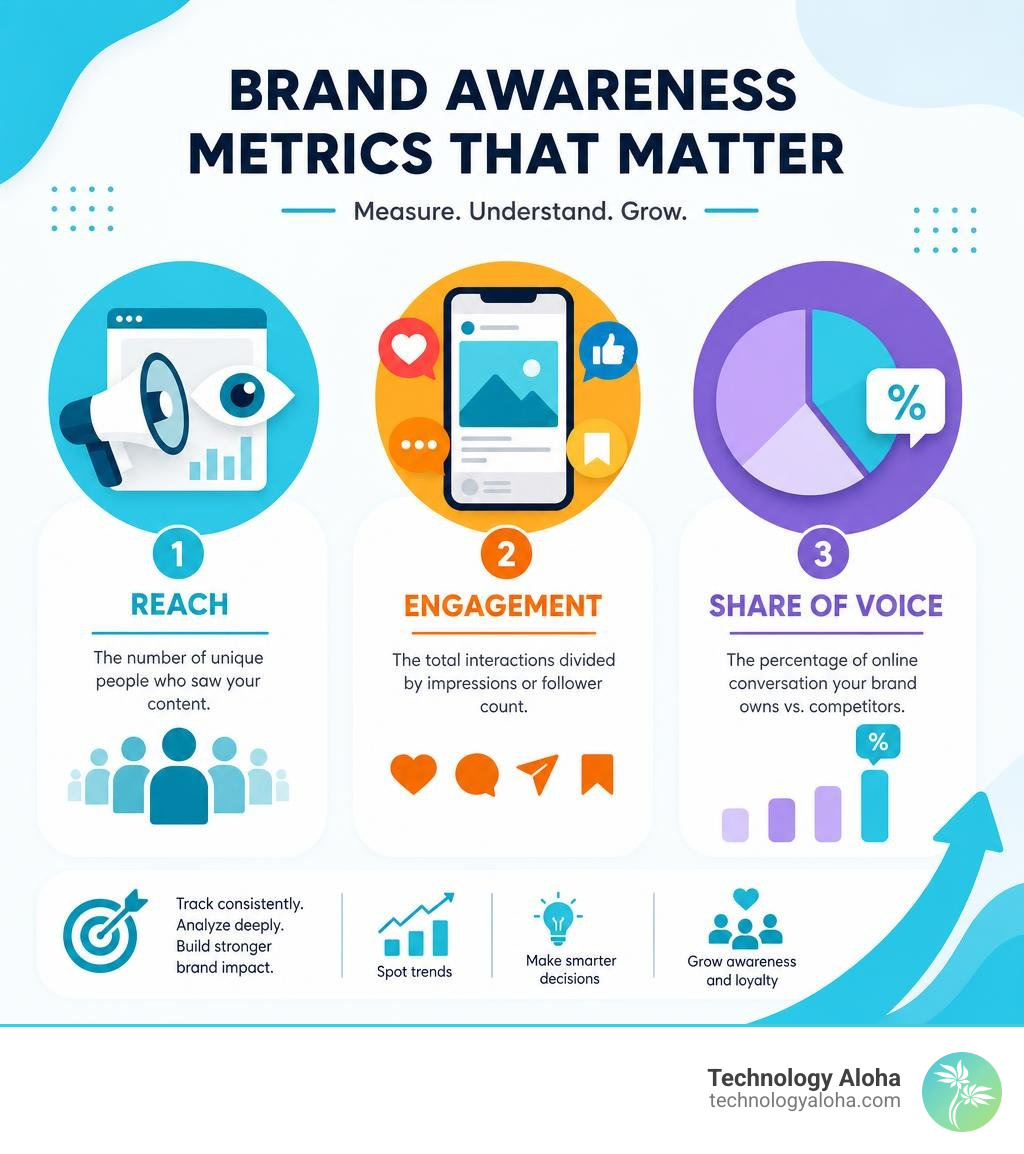
To accurately measure how well social media marketing increase brand awareness, track these primary indicators:
- Impressions and Reach: The total number of times your content appeared on screens and the unique audience count exposed to your message.
- Engagement Rate: Total interactions (likes, comments, shares, saves) divided by total impressions or follower count.
- Follower Growth Rate: The percentage rate at which your audience expands over time.
- Brand Search Volume: The number of direct searches for your organization’s name in search engines and social platforms.
- Share of Voice (SOV): The percentage of online conversation and mentions your brand owns relative to key peers in your sector.
Common Pitfalls to Avoid and the Role of AI Tools
Many organizations hinder their growth by falling into predictable traps:
- Treating feeds like billboards: Posting constant sales or donation pitches without providing value drives audiences away.
- Inconsistent posting cadences: Inconsistent scheduling degrades algorithmic reach.
- Ignoring comment sections: Failing to respond to direct user questions weakens community loyalty.
AI automation tools help streamline content creation, keyword research, performance analysis, and post scheduling. However, AI should serve strictly as an administrative assistant. Human oversight is essential to maintain emotional resonance, ensure factual accuracy, and preserve your unique organizational voice.

Frequently Asked Questions About Social Media Brand Awareness
How long does it take to see results from social media brand awareness campaigns?
Building sustainable organic brand awareness on social media typically takes six months to two years when posting high-value content 3–4 times per week. While paid ad campaigns can generate immediate reach within days, lasting top-of-mind brand equity requires continuous execution over time.
What is the most effective social media platform for brand awareness in 2026?
The most effective channel depends entirely on your specific target market. TikTok and Instagram Reels currently lead in raw top-of-funnel organic video reach for general consumer audiences. LinkedIn yields the highest return for professional B2B outreach and corporate partnerships, while YouTube provides the best long-term search discoverability.
How can small budgets or nonprofits compete for social brand visibility?
Resource-constrained teams can compete effectively by leaning heavily on authentic human storytelling, user-generated content, and micro-influencer partnerships. Focus on 1–2 key channels rather than overextending, and put modest budgets ($5–$10 per post) behind your highest-performing organic content to amplify reach.
Conclusion
Using social media marketing to increase brand awareness requires strategy, consistency, and patience. Success is not built on chasing fleeting viral trends or publishing daily sales pitches. It comes from delivering predictable value, listening to your audience, and building direct human connections across the platforms where your audience spends their time.
Focus your energy where it yields the highest return: pick two core channels, maintain a disciplined posting cadence, prioritize visual storytelling, and engage with every person who leaves a comment on your posts. Over time, that steady commitment creates a compounding engine of trust, recall, and long-term community support.