Why Branding for a Small Business Determines Whether You Win or Get Ignored
Branding for a small business is the process of shaping how customers perceive, and trust you — through your visuals, your words, your promises, and every interaction they have with your business.
Here is what strong branding actually does:
- Builds credibility — 75% of people judge a business’s trustworthiness based on design quality alone
- Drives revenue — consistent branding can boost revenue by up to 23% across platforms
- Creates loyalty — customers return to brands they recognize and trust, not just products they like
- Differentiates you — in a crowded market, your brand is the reason someone chooses you over a competitor charging the same price
Most small business owners think branding means a logo. It doesn’t.
Your brand is the promise you make to every customer before they even speak to you. It’s what they feel when they land on your website, read your social posts, or open your packaging. Get it right, and you look like a professional. Get it wrong, and you look like a hobby.
In 2026, the bar is higher than ever. Customers expect personalization, consistency, and authenticity — and they will move on in seconds if something feels off. Nearly two-thirds of consumers expect personalized interactions, and 65% expect businesses to adapt to their changing needs. That’s not a trend. That’s the baseline.
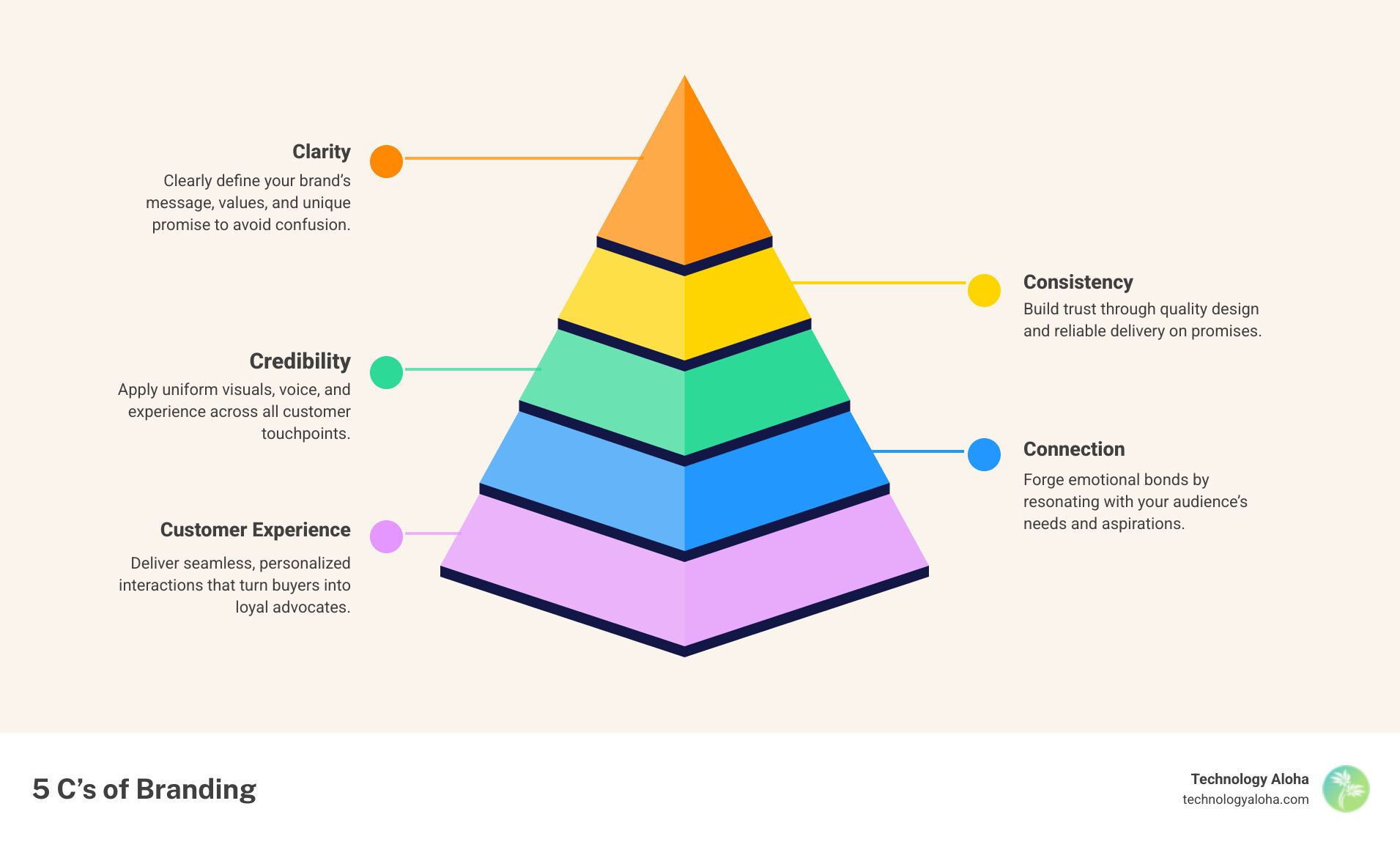
The good news? You don’t need a big budget to build a brand that works. You need clarity, consistency, and the right strategy.
Defining Branding for a Small Business
To understand branding for a small business, we must first separate it from the physical goods you sell. The American Marketing Association defines a brand as a name, term, design, symbol, or any other feature that identifies one seller’s goods or services as distinct from those of other sellers. However, in the modern 2026 landscape, a brand is less about a trademark and more about a perception.
What is Branding and Why is it Important for Your Business? describes it as the perpetual process of identifying, creating, and managing the cumulative assets and actions that shape how a brand is perceived. For a small business, this perception is your competitive edge. While a large corporation might rely on massive ad spends, your edge comes from The Importance of Branding for Your Nonprofit or small business to establish a deep, human connection.
Your Brand Is Your Promise to Your Customer. It tells them what they can expect from your products and services, and it differentiates your offering from your competitors. When you deliver on that promise consistently, you build the credibility required for long-term revenue growth. Research shows that 78% of small business owners believe visual branding plays a significant role in their revenue growth. If your branding feels scattered, your business feels unreliable.
The Core Elements of a Professional Identity
Building a brand is like building a house; you cannot start with the paint colors (the logo) before you lay the foundation. The Most Important Elements of Your Brand start with your internal compass.
Mission, Values, and Personality
Your mission is your “why.” Why does your business exist beyond making a profit? Your values are the principles that guide your decisions — are you “innovative and bold” or “traditional and dependable”? These traits form your brand personality. If your brand were a person, how would they dress? How would they speak at a dinner party? Defining this prevents your messaging from sounding like a generic corporate bot.
Understanding Your Target Audience
You cannot be everything to everyone. What is a Target Audience? research is the process of identifying the specific group of people most likely to buy from you. We recommend creating detailed buyer personas that include:
- Demographics: Age, location, and income.
- Psychographics: Interests, values, and lifestyle.
- Pain Points: The specific problems they have that you can solve.
Branding vs. Marketing: Knowing the Difference
Many owners use these terms interchangeably, but they serve different functions. Positioning and Branding for Small Business requires understanding that branding is the strategy, while marketing is the execution.
| Feature | Branding (The Who) | Marketing (The How) |
|---|---|---|
| Focus | Identity, values, and soul | Promotion, sales, and reach |
| Duration | Long-term and permanent | Short-term and campaign-based |
| Goal | To build loyalty and trust | To drive immediate action/sales |
| Impact | Defines the customer experience | Delivers the message to the audience |
Designing Your Visual and Verbal Identity
Once the foundation is set, it is time to build the “look and feel.” This is where many hobbyists fail by choosing colors or fonts based on personal preference rather than strategic intent.
Visual Identity: Colors and Fonts
Your Brand Colors Matter: How to Choose and What They Say About Your Organization because they trigger immediate emotional responses. For example, blue often signals trustworthiness, while yellow evokes optimism. Use the Adobe Color Wheel to find complementary or triadic schemes that ensure legibility and professional contrast.
When choosing typography, avoid “trendy” fonts that will look dated by next year. Select one primary font for headings and one secondary font for body text. Ensure they are scalable and readable across all digital platforms.
Verbal Identity: Tone and Voice
Your brand voice is what you say; your tone is how you say it. A luxury spa might use a serene, sophisticated tone, while a local surf shop might be casual and high-energy. This voice must remain consistent whether you are writing an Instagram caption or a formal invoice.
The Brand Style Guide
To maintain this identity, you need a Brand Style Guide: Your Key to a Consistent Brand Image. This document acts as your “source of truth.” It should include:
- Logo Usage: Where it goes and how much “white space” it needs.
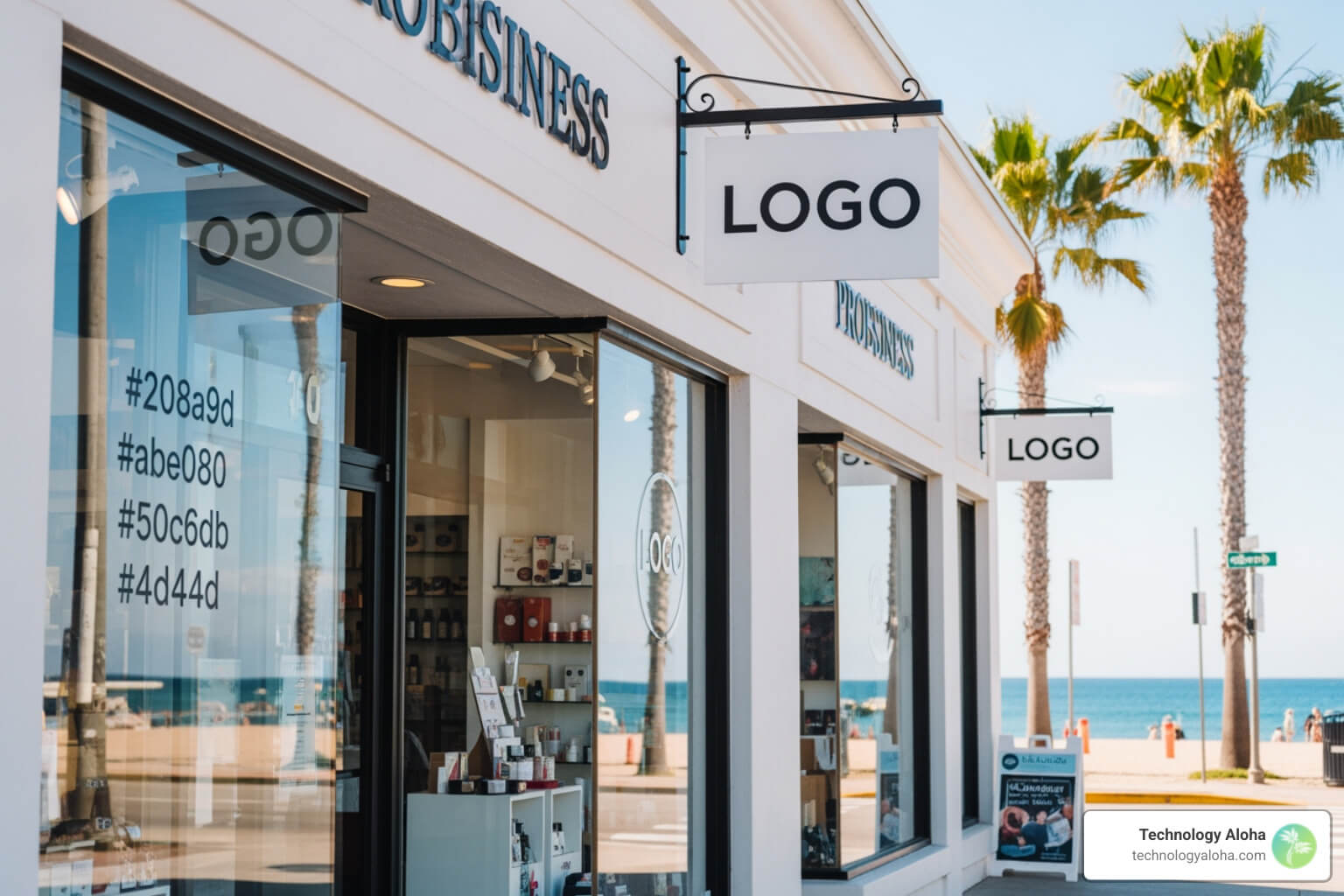
- Color Codes: Exact HEX, RGB, and CMYK values.
- Typography: Which fonts to use for what.
- Voice Guidelines: Examples of how to speak (and how not to).
If you are still in the naming phase, start with a What to Include in a Naming Brief to ensure your business name aligns with your long-term vision and is legally protectable.
Affordable Strategies for High-Impact Growth
You do not need a million-dollar budget to How to Build a Big Brand for Your Small Business. In 2026, creativity and authenticity often outperform raw spending.
Content Marketing and Storytelling
Humans are wired for stories. Share your “origin story” — why you started and the challenges you overcame. Use Branding Words: Build Connection and Engagement into Your Brand that build connection. Instead of saying “We provide plumbing services,” try “We help families get their homes back to normal without the stress.”
Guerrilla Marketing and Community Building
Guerrilla marketing involves high-impact, low-cost tactics that surprise customers. Think of sidewalk chalk art in high-traffic areas, “sticker bombing” (with permission), or hosting a small, branded pop-up event. Building a community around your brand — through social media engagement or local partnerships — creates “brand ambassadors” who do your marketing for you through word-of-mouth.
The Branded Customer Experience
Every interaction is a branding opportunity. Turn a mundane shipment into a “moment” by adding a handwritten note or using branded tape. 61% of customers feel companies treat them like a number; a personalized touch makes you unmissable.
Frequently Asked Questions
How much does branding for a small business cost?
The cost varies based on your needs. DIY branding using tools like Canva or AI-powered generators can cost very little, but it requires a significant time investment and a sharp eye for design. Professional services typically range from a few hundred to several thousand dollars. While the upfront cost may seem high, the ROI is found in increased trust and the ability to charge premium prices. 5 Tips for Choosing the Right Branding for Your Small Business involves balancing your current budget with your long-term growth goals.
How do I measure the success of branding for a small business?
Branding is a long game, but you can track its success through specific KPIs:
- Awareness: Are more people searching for your business by name?
- Loyalty: What is your repeat customer rate?
- Engagement: Are people commenting on and sharing your content?
- Revenue: Has your conversion rate improved since your rebrand? Regularly asking for customer feedback can reveal 4 Hidden Benefits of Having a Strong Branding Strategy for the New Year that you might have missed.
What are common branding mistakes to avoid?
The most frequent error is inconsistency. If your website looks sleek but your social media looks messy, you lose trust instantly. Other mistakes include:
- Ignoring the audience: Building a brand you like rather than one your customers need.
- Copying competitors: If you look just like everyone else, you have no reason to exist in the customer’s mind.
- Overcomplicating: A logo with too many details won’t work as a small social media profile picture. Check out these 5 Tips on How to Create a Professional Brand as a Small Business Owner to ensure you avoid these pitfalls.
Conclusion
Building a brand for a small business in 2026 is about more than just aesthetics; it is about creating a growth engine that works even when you are sleeping. A professional, cohesive identity tells the world that you are a serious contender, not just a hobbyist.
At Technology Aloha, we specialize in helping businesses in Kahului, HI, and throughout Hawaii achieve this level of professional clarity. We provide strategic positioning and Branding Services that blend data-driven insights with high-conversion, user-centric website designs. Whether you are starting from scratch or looking to evolve an existing brand, our goal is to ensure your business is recognized, remembered, and revered. Ready to stop looking like a hobbyist? Let’s build something that lasts.