In today’s fiercely competitive landscape, consistently creating purpose driven marketing content that is engaging and educational is no longer just a nice-to-have for brands — it’s a must-have. With countless competitors vying for attention, businesses need to find ways to make their content stand out and leave a lasting impression on their target audience.
Purpose-driven marketing content involves infusing a brand's unique values and culture into its content to communicate what the brand genuinely stands for. This strategy helps brands stand out in a competitive landscape by elevating their identity beyond just products or services. By fostering deeper trust and loyalty, values-driven content significantly impacts consumer behavior; research by Sprout Social found that 89% of consumers are more likely to buy from a brand after following its story on social media.
One powerful way to accomplish this is by infusing your content with your brand’s unique values and culture. Values-driven content has the ability to elevate your brand beyond just the products or services you offer. It communicates what your brand genuinely stands for and believes in.
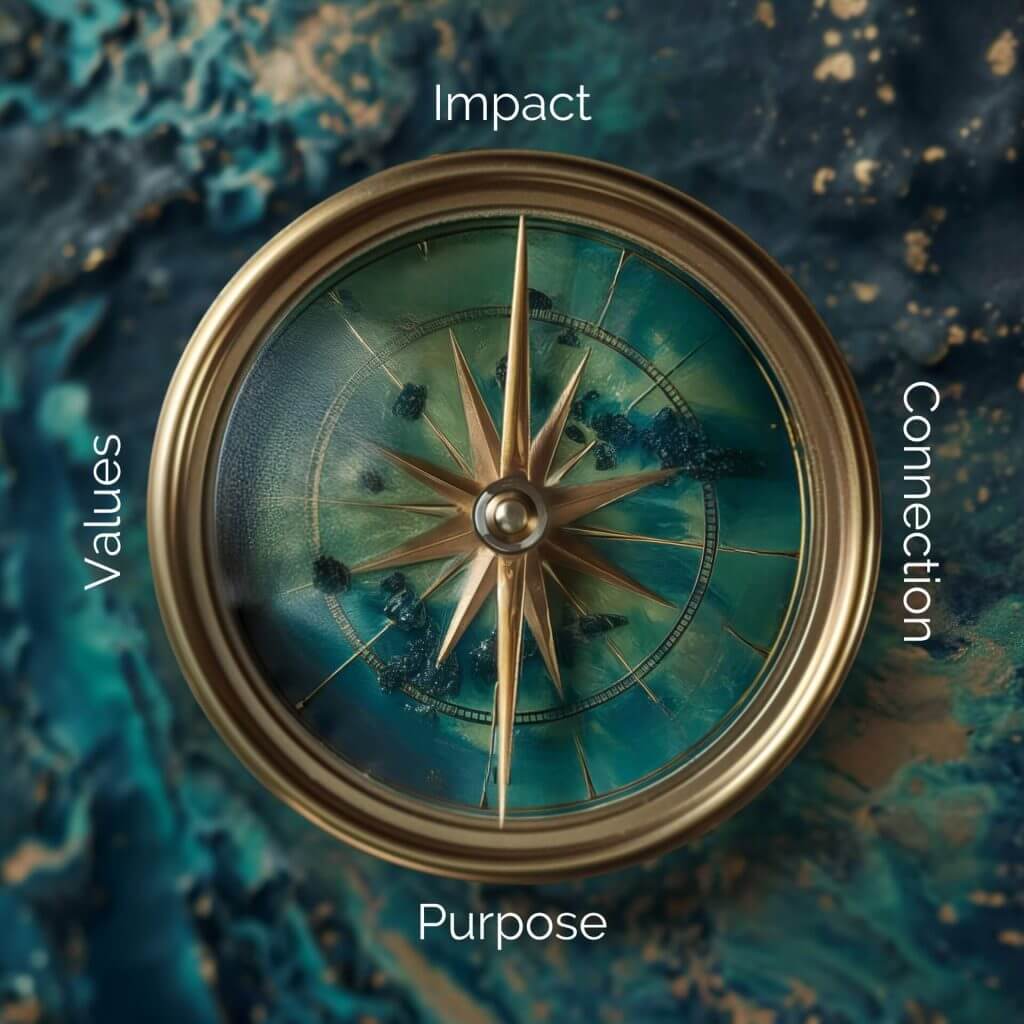
Harness the Power of Your Brand’s Values to Tell Compelling Stories and Foster Trust
When done well, this type of purposeful content can enhance brand awareness, establish a memorable brand tone and aesthetic, and foster deeper trust and loyalty among your audience. In fact, research by Sprout Social found that 89% of consumers are more likely to buy from a brand when they follow that brand’s story on social media.
So how can you start leveraging your brand’s values to fuel exceptional content that resonates? In this guide, we’ll walk through the key steps:
- Understanding your target audience’s values and preferences
- Defining your brand’s authentic purpose and infusing it into your content
- Developing a strategic, documented approach to content creation
- Crafting compelling, values-driven stories that tap into emotions
- Measuring content performance and evolving your approach over time
- Following best practices to ensure quality and consistency
By the end, you’ll be equipped with an actionable framework for developing purposeful content that builds trust and makes a lasting impact. Let’s dive in!
1. Understanding Your Audience
Before you can create content that truly resonates with your target audience, you need to have a deep understanding of who they are, what they care about, and what their pain points are. This goes beyond basic demographic information and requires tapping into their values, preferences, and sentiment.
Researching target audience values, preferences and sentiment
One effective way to gather these insights is through market research. Conduct surveys, focus groups, or interviews with your target audience to learn more about their motivations, challenges, and content consumption habits. Pay attention to the language they use and the topics that come up repeatedly — these can provide valuable clues about what kind of content will strike a chord with them.
Social media is another goldmine for audience insights. Monitor conversations happening around your brand and industry, and take note of the questions, concerns, and ideas being shared. Engage with your followers and encourage them to share their feedback and opinions. Tools like social listening dashboards can help you track and analyze these conversations at scale.
How can Technology Aloha's social media services help nonprofits?
Technology Aloha can help nonprofits with social media management by addressing common challenges such as being tired of managing accounts, improving brand awareness, or not knowing where to start. We offer solutions to streamline your social media efforts.
Identifying gaps your content can fill
As you gather this audience data, look for patterns and recurring themes. Are there particular values or issues that keep coming up? Are there content gaps that you could fill with your brand’s unique perspective and expertise? Use these insights to inform your content ideation and planning process.
Using analytics to stay attuned to audience
In addition to qualitative research, don’t forget about quantitative data as well. Dig into your website and social media analytics to see which pieces of content are resonating most with your audience. Look at metrics like page views, engagement rates, and conversion rates to identify your top-performing content themes and formats.
By combining all of these audience insights — both qualitative and quantitative — you can start to build a rich picture of what your target audience cares about and how you can create content that speaks directly to those needs and values. This lays the essential foundation for a purposeful, values-driven content strategy.
2. Defining Your Brand’s Purpose
To create content that truly embodies your brand’s values, you first need to have a clear understanding of your brand’s core purpose. This goes beyond just what you sell — it’s about the fundamental reason your brand exists and the impact you want to have on the world.
Establishing a clear purpose that inspires action
Start by reflecting on your brand’s origin story. What sparked the creation of your company? What problem were you trying to solve, or what gap did you see in the market? These founding principles can often provide clues about your brand’s deeper purpose.
Aligning purpose with a relevant, passionate brand narrative
Next, think about the values that guide your business decisions and actions. What beliefs do you hold dear, and how do they shape the way you operate? Your values might include things like transparency, innovation, sustainability, or community impact. The key is to identify the values that are most authentic and integral to your brand.
How can Technology Aloha's branding services help your business?
Technology Aloha's branding services help your business establish a cohesive brand, ensuring your look and messaging are consistent across all platforms.
Infusing brand values into content to communicate what you stand for
Once you have a clear sense of your brand’s purpose and values, the next step is to infuse them into your content strategy. This means creating content that aligns with and supports your brand narrative. Every piece of content you create should feel true to who you are as a brand.
One way to do this is by highlighting real examples and stories of how your brand is living out its values. Showcase the people, projects, and initiatives that embody your purpose. This could be anything from employee volunteer programs to eco-friendly product innovations to partnerships with non-profit organizations.
Another approach is to take a stand on issues that matter to your brand and your audience. Don’t be afraid to voice your brand’s perspective on relevant social, environmental, or industry topics. This can help establish your brand as a thought leader and build trust with your audience by showing that you have a clear point of view.
The key is to make sure your brand’s purpose and values shine through in everything you create. Your content should feel authentic and consistent across all channels and touch points. When done well, this values-driven approach to content can help differentiate your brand and foster deeper connections with your audience.
By taking the time to define your brand’s authentic purpose and infuse it into your content strategy, you lay the foundation for creating meaningful, impactful content that resonates with your target audience. In the next section, we’ll explore how to develop a strategic plan for bringing this purposeful content to life.
3. Developing a Strategic Content Approach
Now that you have a clear understanding of your audience and your brand’s purpose, it’s time to develop a strategic plan for your content creation. This involves setting goals, identifying tactics, and establishing a system for measuring success.
Creating a documented content strategy (target audience, goals, tactics, measurement)
Start by documenting your content strategy. This should include:
- Your target audience and their key characteristics, pain points, and values
- Your brand’s unique value proposition and key messages
- Your content goals and objectives (e.g., brand awareness, lead generation, customer engagement)
- The types of content you will create (e.g., blog posts, videos, infographics, social media posts)
- The channels where you will distribute your content (e.g., your website, social media, email)
- Your content calendar and publishing frequency
- Your metrics and KPIs for measuring content performance
Having a documented strategy keeps your team aligned and ensures that every piece of content you create serves a specific purpose and aligns with your overarching goals.
Building an efficient content creation process to maintain quality and frequency
Next, focus on building an efficient content creation process. Consistency is key when it comes to content marketing, so you need to have a system in place for regularly generating high-quality, on-brand content. This might involve:
- Assembling a dedicated content team or working with an agency
- Using editorial guidelines and templates to ensure consistency
- Leveraging technology tools to streamline content production and collaboration
- Implementing a review and approval process for quality control
How can Technology Aloha help with copywriting and editing services?
Technology Aloha can help with copywriting and editing services by creating great content for your website, blog, social media posts, and ad campaigns.
Embracing diverse formats and experimenting with new ideas
To keep your content fresh and engaging, don’t be afraid to experiment with different formats and ideas. In addition to your core content types, consider branching out into new mediums like podcasts, interactive quizzes, or live videos. Stay on top of industry trends and hot topics that you can newsjack or put your own spin on.
Another important aspect of your content strategy is repurposing and refreshing existing content. Look for opportunities to update and reshare your top-performing pieces, or break them down into smaller, bite-sized chunks of content for social media. This helps you maximize the value of your content efforts and reach new audiences.
Remember, your content strategy should be a living document that you continually refine and adapt based on performance data and audience feedback. Set regular intervals (e.g., quarterly) to review and adjust your approach as needed.
By taking a strategic, purposeful approach to content creation, you can ensure that every piece of content you create is working hard to support your brand goals and engage your target audience. In the next section, we’ll dive into the art of crafting compelling, values-driven stories that resonate.
4. Crafting Compelling, Values-Driven Stories
At the heart of any successful content strategy is storytelling. Stories have the power to captivate attention, evoke emotions, and forge deep connections with your audience. When you infuse your brand’s values into your storytelling, you create content that not only informs but also inspires.
Tapping into collective emotions to foster audience connection
One key to crafting compelling, values-driven stories is to tap into the collective emotions and experiences of your target audience. Think about the universal human truths and challenges that your audience faces, and consider how your brand’s unique perspective and solutions can help them navigate those experiences.
Addressing ethical concerns and social issues important to your brand
For example, if one of your brand values is environmental sustainability, you might tell stories about how your products are made using eco-friendly materials, or profile customers who are using your products to reduce their carbon footprint. These stories help bring your values to life in a tangible, relatable way.
Another approach is to address the social issues and causes that your brand and audience care about. Take a stand on matters that align with your values, and use your content platform to raise awareness and drive positive change. This could be anything from advocating for diversity and inclusion to supporting local community initiatives.
When crafting these values-driven stories, it’s important to be authentic and transparent. Don’t just pay lip service to your values — showcase the real actions and impact your brand is making. Use specific examples, data points, and customer testimonials to lend credibility to your stories.
Encouraging audience belonging and loyalty through shared values
Storytelling is also a powerful way to foster a sense of community and belonging around your brand. When you tell stories that reflect your audience’s values and experiences, they see themselves reflected in your brand and feel a stronger affinity towards it. Encourage your audience to share their own stories and perspectives, and create opportunities for dialogue and co-creation.
As you develop your brand stories, consider the different formats and channels you can use to bring them to life. From long-form blog posts and video series to social media micro-content and immersive interactive experiences, there are endless possibilities for creative storytelling.
How can Technology Aloha's marketing strategy service help clients?
Technology Aloha's marketing strategy service specializes in guiding clients toward the best marketing strategy and implementation process, all while staying within budget.
The key is to always keep your brand’s purpose and values at the core of your storytelling. Every story you tell should reinforce your brand’s unique identity and mission, and help your audience understand and connect with what you stand for.
By mastering the art of values-driven storytelling, you can create content that not only captures attention but also sparks meaningful conversations and drives lasting brand loyalty. In the next section, we’ll explore how to measure the impact of your content efforts and continuously refine your approach.
5. Measuring Performance and Evolving
Creating purposeful, values-driven content is an ongoing process that requires continuous refinement and optimization. To ensure that your content is resonating with your audience and supporting your brand goals, it’s essential to have a system in place for measuring performance and gathering feedback.
Setting up feedback loop with audience to inform future content
Start by defining the key metrics and KPIs that will help you gauge the success of your content efforts. These might include:
- Reach and visibility metrics (e.g., page views, unique visitors, social media impressions)
- Engagement metrics (e.g., likes, comments, shares, time on page)
- Conversion metrics (e.g., email sign-ups, product purchases, lead generation)
- Brand perception and sentiment metrics (e.g., brand awareness, favorability, Net Promoter Score)
Use a combination of web analytics, social media analytics, and marketing automation tools to track and analyze these metrics over time. Look for patterns and insights that can help you understand what’s working well and where there’s room for improvement.
In addition to quantitative data, it’s also important to gather qualitative feedback from your audience. Encourage comments and conversations on your content pieces, and actively seek out input and opinions from your customers and followers. You can also use surveys, focus groups, or one-on-one interviews to gain deeper insights into how your content is being perceived and what kind of impact it’s having.
As you gather this performance data and audience feedback, use it to continually refine and evolve your content strategy. Look for opportunities to double down on your top-performing topics and formats, and don’t be afraid to experiment with new ideas and approaches.
Balancing evergreen content with trending topics
It’s also important to stay attuned to broader industry trends and cultural conversations that may be relevant to your brand and audience. Use social listening tools to monitor key topics and hashtags, and stay up-to-date on news and events that may provide timely opportunities for content creation.
Analyzing content performance to adapt tactics
Another key aspect of measuring and evolving your content strategy is A/B testing. Try out different headlines, images, calls-to-action, or content formats to see what resonates best with your audience. Use the insights from these tests to optimize your content for maximum impact.
Finally, remember that measuring and refining your content strategy is an ongoing process. Set regular intervals (e.g., monthly or quarterly) to review your performance data and make data-driven decisions about how to adapt and improve your approach over time.
By establishing a strong measurement framework and feedback loop, you can ensure that your values-driven content strategy is always aligned with your audience’s needs and your brand’s goals. In the final section, we’ll recap some best practices for creating purposeful content that makes a lasting impact.
6. Best Practices for Purposeful Brand Content
As you embark on your journey to create purposeful, values-driven content, keep these best practices in mind:
- Write with passion and authority. Your content should reflect your brand’s unique expertise and perspective. Don’t be afraid to take a strong stance on topics that matter to your audience and align with your values. Use a tone and voice that conveys authenticity and conviction.
- Stay true to your brand’s “sweet spot”. Focus on creating content that sits at the intersection of your brand’s core competencies and your audience’s key interests and needs. Don’t stray too far from your areas of authority, but do look for opportunities to put a fresh spin on familiar topics.
- Prioritize quality over quantity. While consistency is important, it’s better to publish one truly excellent, high-value piece of content than five mediocre ones. Take the time to research, fact-check, and polish every piece of content before hitting “publish”.
- Make every piece of content count. Ensure that every blog post, video, or social media update serves a clear purpose and includes a specific call-to-action. Whether you’re aiming to educate, inspire, or drive a particular behavior, make sure your content is working hard to support your goals.
- Amplify your reach with strategic distribution. Creating great content is only half the battle — you also need to make sure it gets in front of the right people. Develop a multi-channel distribution plan that includes a mix of owned, earned, and paid media. Don’t forget about the power of employee and customer advocacy to expand your reach.
- Engage with your audience. Content marketing is a two-way conversation. Encourage your audience to share their thoughts and feedback on your content, and be responsive to their questions and comments. Look for opportunities to collaborate with influential voices in your industry or community.
- Continuously learn and improve. Keep a pulse on your content performance metrics and audience feedback, and use those insights to guide your ongoing content creation and optimization efforts. Stay curious and open to new ideas, and be willing to pivot when something isn’t working.
By following these best practices and committing to a purpose-driven approach, you can create content that not only informs and engages your audience but also strengthens your brand’s reputation and builds lasting trust and loyalty.
Conclusion
In today’s crowded and noisy digital landscape, brands that want to stand out need to create content that truly matters to their audience. By infusing your content with your brand’s authentic purpose and values, you can forge deeper, more meaningful connections with the people you serve.
The key is to develop a strategic, audience-centric approach to content creation that prioritizes quality, consistency, and continuous improvement. By understanding your audience’s needs and values, crafting compelling stories that reflect your brand’s unique perspective, and measuring and optimizing your efforts over time, you can create a powerful content engine that drives real business results.
As you embark on this journey to create more purposeful content, remember that it’s not about chasing the latest trends or jumping on every new platform. It’s about staying true to your brand’s core identity and mission, and using content as a tool to build trust, inspire action, and make a positive impact on the world.
So go forth and create content that matters — content that informs, inspires, and strengthens the bond between your brand and your audience. With a commitment to purpose and a passion for storytelling, there’s no limit to the impact you can make.